Choosing the right yeast can make or break a cider’s flavor and aroma, especially with so many options in 2026.
From nutrient enhancers like Go-Ferm that boost yeast health, to specialized strains like Lalvin D47 for versatility, each has its perks.
Whether you’re aiming for fruity complexity or budget-friendly simplicity, understanding these choices is key.
But for the best results, it’s not just about picking the right yeast, it’s about knowing how to use it well.
At a Glance
- Choose yeasts like Lalvin D47 for versatile flavor profiles in whites and rosés with high alcohol tolerance.
- Opt for strains such as Red Star Cotes des Blancs to enhance aromatic complexity and fruity notes.
- Prioritize low-volatile yeast strains to produce cleaner, crisper aromas and minimize sulfur compounds.
- Use proper fermentation temperature management to preserve delicate aromas and balance flavor development.
- Support yeast health with quality nutrients like Fermaid O or North Mountain Supply to ensure steady, clean fermentation.
| Go-Ferm Yeast Rehydration Nutrient (8 oz) | 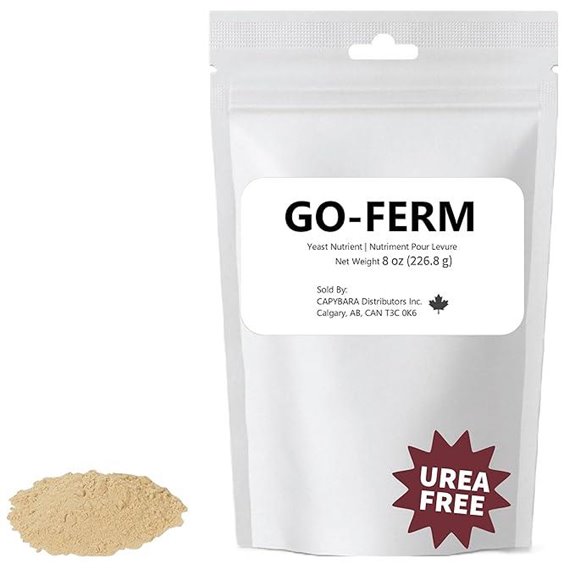 | Best Yeast Support | Application Type: Yeast rehydration nutrient | Intended Use: Yeast health & viability | Packaging Size: 8 oz (226.8 g) | VIEW LATEST PRICE | Read Our Analysis |
| Red Star Cotes des Blancs Wine Yeast (3 Pack) | 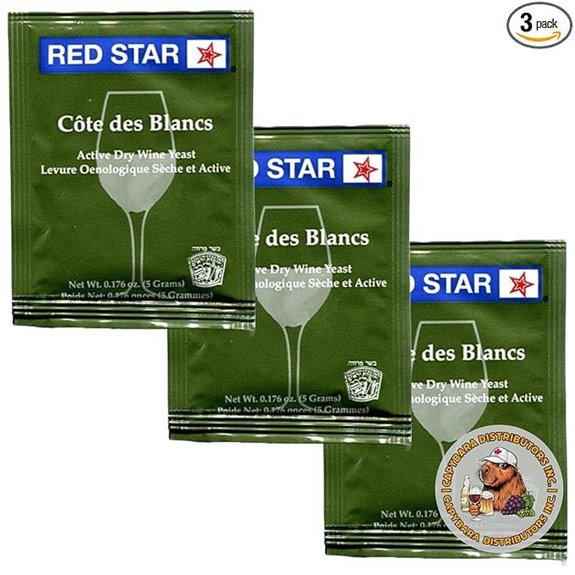 | Best Aromatic Profile | Application Type: Wine yeast (for fermentation) | Intended Use: Wine fermentation | Packaging Size: 3 packs of 5 g sachets | VIEW LATEST PRICE | Read Our Analysis |
| North Mountain Supply Food Grade Yeast Nutrient – 3.5 Ounce Jar | 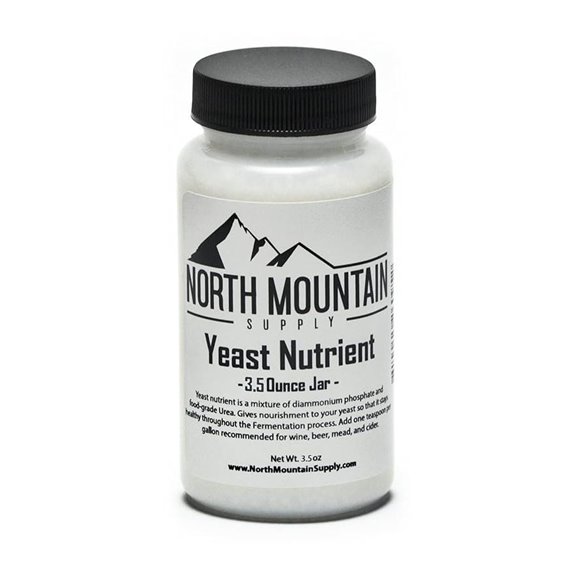 | Best Budget Option | Application Type: Yeast nutrient (for fermentation support) | Intended Use: Fermentation nutrition | Packaging Size: 3.5 oz jar | VIEW LATEST PRICE | Read Our Analysis |
| Lalvin D47 Wine Yeast (5 Pack) | 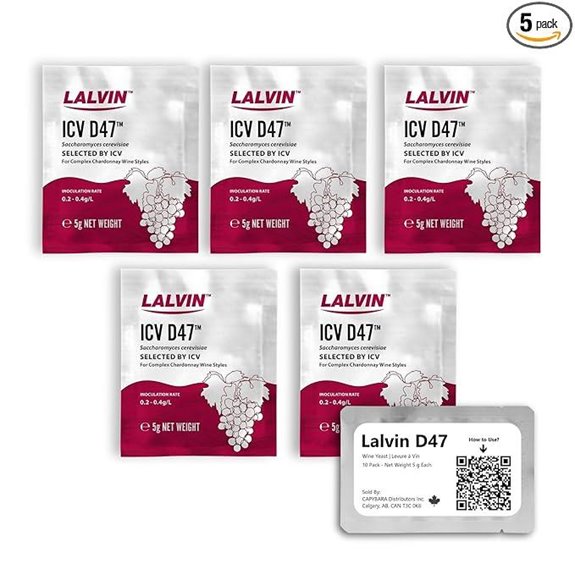 | Best Versatility | Application Type: Wine yeast (for fermentation) | Intended Use: White & rosé wine | Packaging Size: 5 g sachets (5 packs) | VIEW LATEST PRICE | Read Our Analysis |
| Fermaid O Yeast Nutrient for Home Brew (2 oz) | 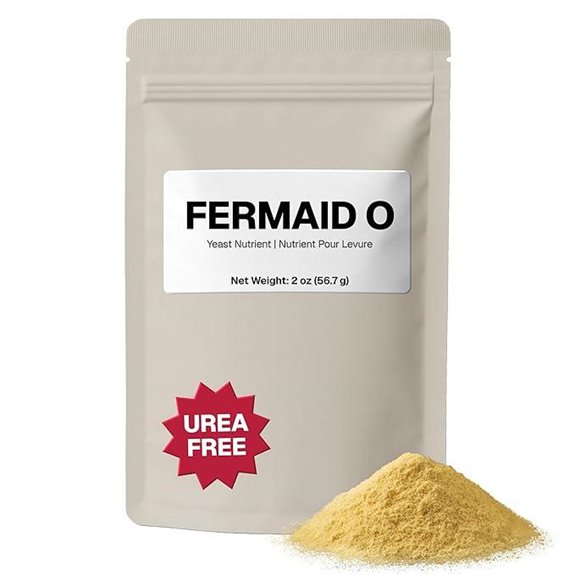 | Best Organic Nutrient | Application Type: Yeast nutrient (for fermentation support) | Intended Use: Fermentation nutrition | Packaging Size: 2 oz (56.7 g) | VIEW LATEST PRICE | Read Our Analysis |
More Details on Our Top Picks
Go-Ferm Yeast Rehydration Nutrient (8 oz)
When it comes to supporting healthy fermentation, few products do a better job than Go-Ferm Yeast Rehydration Nutrient. This 8 oz jar packs a punch with 100% yeast-derived goodness, crafted via autolysis—basically, yeast breaking itself down to release nutrients.
Loaded with essential vitamins and minerals—think magnesium and zinc—it gives yeast cells a much-needed boost during rehydration, helping them stay lively and vigorous. Simply suspend 30 grams per hectoliter in rehydration water before pitching your yeast. And remember, skip inorganic salts or DAP; they can harm those precious yeast cells. It’s a simple step for a more reliable, cleaner fermentation!
- Application Type:Yeast rehydration nutrient
- Intended Use:Yeast health & viability
- Packaging Size:8 oz (226.8 g)
- Fermentation Range / Tolerance:Supports yeast viability (implied)
- Nutritional Content / Composition:Vitamins, minerals, micronutrients
- Storage Duration:Not specified
- Additional Feature:Produces yeast micronutrients
- Additional Feature:Enhances fermentation kinetics
- Additional Feature:Suitable for multiple beverage types
Red Star Cotes des Blancs Wine Yeast (3 Pack)
Red Star Côte des Blancs Wine Yeast (3 Pack) stands out as a top choice for those aiming to craft wines with nuanced aromatic profiles. This yeast is known for producing fine, fruity aromas that honor the grape’s varietal character—great for enhancing Sauvignon Blanc, Moscato, or other aromatic whites.
It ferments swiftly at temperatures between 14-30°C, even with alcohol tolerances above 14%, so it can handle robust fermentation conditions. Low foam and minimal sulfur output make clean-up easier. Simply add one sachet (5 grams) per 20-23 liters, rehydrate for about 20-25 minutes with sugared water or must, and keep the temperature difference within 10°C. And yes, it’s versatile enough for sparkling and rosé wines too!
- Application Type:Wine yeast (for fermentation)
- Intended Use:Wine fermentation
- Packaging Size:3 packs of 5 g sachets
- Fermentation Range / Tolerance:10-30°C (50-86°F)
- Nutritional Content / Composition:Organic and mineral nitrogen
- Storage Duration:Up to 2+ years unopened, 4 weeks opened
- Additional Feature:Suitable for sparkling wines
- Additional Feature:Designed for varietal aroma preservation
- Additional Feature:Rehydration in sugared/water mix
North Mountain Supply Food Grade Yeast Nutrient – 3.5 Ounce Jar
For those just starting out or seeking a reliable, budget-friendly yeast nutrient, North Mountain Supply’s Food Grade Yeast Nutrient in a 3.5-ounce jar offers a practical solution. This nutrient combines diammonium phosphate and food-grade urea, essential for keeping yeast healthy and happy during fermentation.
Just a teaspoon per gallon of cider keeps the yeast energized, promoting efficient sugar conversion and alcohol production. Packaged with a tamper-evident, airtight seal, it guarantees freshness and safety. Whether brewing wine, beer, mead, or cider, this nutrient supports a robust fermentation process, leading to clearer, better-tasting results.
- Application Type:Yeast nutrient (for fermentation support)
- Intended Use:Fermentation nutrition
- Packaging Size:3.5 oz jar
- Fermentation Range / Tolerance:Suitable for various fermentations
- Nutritional Content / Composition:Diammonium phosphate and urea
- Storage Duration:Not specified
- Additional Feature:Food-grade ingredients
- Additional Feature:Airtight, tamper-evident seal
- Additional Feature:Supports diverse fermentations
Lalvin D47 Wine Yeast (5 Pack)
Lalvin D47 Wine Yeast (5 Pack) stands out as a go-to choice for those seeking a versatile yeast capable of handling a variety of wine styles. It’s especially popular among home winemakers thanks to its ability to ferment a wide range of white and Rosé wines—think citrus and floral notes that add complexity without overpowering.
This yeast can ferment between 10-30°C (50-86°F) and tolerates alcohol levels up to 15%, giving brewers ample flexibility. Plus, it’s not just for wine; it handles mead and fruit ciders well too! With a 5g sachet that ferments 4.5L-23L, it’s reliable and user-friendly for both beginners and seasoned enthusiasts.
- Application Type:Wine yeast (for fermentation)
- Intended Use:White & rosé wine
- Packaging Size:5 g sachets (5 packs)
- Fermentation Range / Tolerance:10-30°C (50-86°F)
- Nutritional Content / Composition:Nutrients for fermentation
- Storage Duration:Not specified
- Additional Feature:Suitable for complex whites
- Additional Feature:Floral and citrus notes
- Additional Feature:Compatible with fruit ciders
Fermaid O Yeast Nutrient for Home Brew (2 oz)
In the world of home brewing, choosing the right nutrient can make all the difference, especially when aiming for a natural, clean fermentation. Fermaid O Yeast Nutrient, a 2 oz packet from Lallemand Inc., is packed with 100% natural yeast-derived ingredients—no inorganic additives here. It delivers organic nitrogen, essential vitamins, and minerals designed to support steady fermentation and avoid temperature spikes.
Ideal for cider, wine, mead, or kombucha, it’s added in two stages: roughly 20 grams per hectoliter at the lag phase’s end and again around one-third sugar depletion. This strategic timing helps perfect the fermentation process, ensuring a cleaner, more reliable final product.
- Application Type:Yeast nutrient (for fermentation support)
- Intended Use:Fermentation nutrition
- Packaging Size:2 oz (56.7 g)
- Fermentation Range / Tolerance:Supports steady fermentation (implied)
- Nutritional Content / Composition:Organic nitrogen, vitamins, minerals
- Storage Duration:Not specified
- Additional Feature:High YAN levels
- Additional Feature:Organic, natural ingredients
- Additional Feature:Supports steady fermentation
Factors to Consider When Choosing Yeasts for Cider
Choosing the right yeast for cider isn’t just about flavor; it’s about juggling several important factors. You’ll want to contemplate how a yeast’s flavor profile matches your desired taste, its fermentation temperature range to avoid surprises, and its alcohol tolerance to guarantee it can handle your recipe.
Plus, Keep in mind aspects like nutrient needs, aroma contribution, and volatility—these can make or break the final product!
Flavor Profiles Compatibility
Flavor is the backbone of a memorable cider, and selecting the right yeast plays an essential role in shaping that taste experience. Different strains bring distinct flavor profiles—some boost fruity aromas, which is especially ideal for aromatic apple varieties. Yeasts like Red Star Côte des Blancs can intensify primary aromas, leading to a more vibrant, flavorful cider.
Consider the overall sensory impact: some yeasts produce esters and phenols, adding complexity to aroma and taste. Additionally, ferments at lower temperatures, around 14-30°C, help preserve fruitiness and keep flavors clean.
Choose yeasts based on:
- Desired aroma emphasis—fruity, floral, or complex.
- Alcohol tolerance—stronger or more delicate profiles.
- Compatibility with apple varieties and fermentation conditions.
Fermentation Temperature Range
Every yeast strain has its sweet spot when it comes to temperature, think of it as their comfort zone where they perform their best and produce the flavors you’re after. Typically, cider fermentation falls between 14-30°C (57-86°F), offering flexibility for different yeast behaviors. Yeasts that prefer cooler temps deliver cleaner, more refined flavors with fewer undesirable by-products.
To keep yeast healthy during fermentation, it’s key to avoid more than a 10°C difference between rehydration temperature and the actual fermentation environment. Ideally, aim for around a 5°C difference to prevent thermal shock. Higher temps can boost volatile compounds and esters, enriching aroma but risking overly fruity or funky notes.
Monitoring temperature closely guarantees a balanced fermentation. Think of it as fine-tuning your cider’s personality without sweating the small stuff.
Alcohol Tolerance Limits
Have you ever wondered why some yeasts seem to conquer the fermentation process with gusto, while others stumble before reaching their full potential? Well, it all comes down to alcohol tolerance—the maximum alcohol percentage a yeast can handle before it kicks the bucket. Yeasts with higher tolerance, often over 12-15% ABV, are excellent for producing sweeter ciders or those with a higher alcohol punch. Key factors influencing tolerance include yeast genetics, fermentation conditions like temperature and nutrients, and initial sugar levels in the must.
Choosing a strain that matches your desired final alcohol content is essential. Otherwise, you risk a stuck fermentation. Monitoring your process and adjusting conditions can help maximize yeast performance, ensuring your cider turns out just right—without surprises!
Nutrient Needs Balance
When it comes to making a great cider, paying attention to more than just sugar content and yeast choice is equally important: namely, how well the yeast is nourished during fermentation. Yeast needs essential nutrients like organic nitrogen, vitamins, and minerals to thrive, stay healthy, and avoid stress. A well-balanced nutrient profile boosts fermentation speed, helps prevent stalling, and results in a cleaner, more refined flavor.
Proper nutrient management, especially during the lag phase and as sugars are depleted, guarantees steady activity and reduces off-flavors. Think of it as giving your yeast a balanced diet: too little, and fermentation stalls; too much, and you risk unwanted by-products. Monitoring and adjusting these nutrients keeps your cider robust and consistent. A little care here pays off greatly!
Aroma and Volatility
Ever wondered how the choice of yeast impacts not just the fermentation but also the aroma profile of your cider? Yeasts influence aroma and volatility, shaping the cider’s character and nuance. Low-volatile strains produce fewer sulfur compounds and less volatile acidity, resulting in a cleaner, purer aroma—think crisp and invigorating. Some yeasts, like those used in high-quality white wines, can amplify fruity and floral notes, making them perfect for aromatic ciders.
Temperature plays a role too; fermenting at cooler temperatures helps preserve delicate aromas and prevents overpowering volatility. Additionally, nitrogen levels are key: balanced nutrients support yeast health, encouraging desirable aromas without creating a volatile mess. In short, selecting the right yeast and managing fermentation conditions are essential for crafting a cider with a delightful, well-balanced aroma profile.
Frequently Asked Questions
How Does Yeast Impact Cider Flavor Profiles?
Yeast greatly influences cider flavor profiles by converting sugars into alcohol and producing unique fermentation byproducts like esters, phenols, and higher alcohols. Different yeast strains bring distinct aroma and taste characteristics—some add fruity notes, others lend spice or dryness. Variations in fermentation temperature and duration also affect flavors.
Selecting the right yeast can transform a simple apple juice into a complex, balanced cider. Just like choosing the right seasoning turns a dish into a masterpiece.
What Are the Best Yeasts for High-Alcohol Ciders?
For high-alcohol ciders, yeast acts like a diligent worker turning sugar into fireworks, alcohol that is. The top choices include *Saccharomyces cerevisiae* strains like Champagne yeast (EC-1118), renowned for robust fermentation and high alcohol tolerance up to 18%.
Also, *Saccharomyces bayanus* naturally thrives in high-sugar environments. These yeasts guarantee a clean finish and prevent off-flavors, making bold, high-ABV ciders achievable without sacrificing clarity or balance.
Can Yeast Strains Be Used Interchangeably in Cider Making?
Yeast strains in cider making are not always interchangeable without adjustments. Different yeasts bring unique flavors, fermentation rates, and alcohol tolerance. For example, a champagne yeast might produce sparkling dry cider, while a dessert yeast adds sweetness.
When swapping strains, consider flavor profiles, fermentation temperatures, and sugar content. Converting yeast types may require tweaks to guarantee proper fermentation and flavor. Think of it as culinary improvisation: knowing the basics helps, but the results vary!
How Long Does Yeast Fermentation Typically Take?
Yeast fermentation in cider is like a clock ticking, usually taking between 1 to 3 weeks depending on various factors. Primary fermentation often lasts 7-14 days at temperatures around 60-75°F (15-24°C).
After that, the cider might need a secondary fermentation for clarity and flavor development, which can take another 1-2 weeks. Patience is key; rushing can lead to off-flavors or overly sweet cider.
Are There Organic Yeast Options for Cider Brewing?
Yes, organic yeast options exist for cider brewing! Many manufacturers now offer organic certified yeasts, like those labeled as “USDA Organic,” ensuring no synthetic additives. Common choices include organic Saccharomyces cerevisiae strains, which ferment reliably and produce cleaner flavors.
Using organic yeast not only aligns with eco-conscious goals but can also enhance your cider’s natural profile. Just check labels carefully, because yes, even yeast can be farmed organically!