For 2026, the single best brewing fruit isn’t one you’ll find on a grocery shelf. It’s the ripe blackberry, balancing sugar and acid like a pro. Its deep color yields a complex wine without fuss.
But revealing that potential means mastering preparation, from crush to pectin enzyme timing.
There’s more to the process than just picking.
At a Glance
- Grapes remain top due to high natural sugar and ideal acid balance.
- Berries offer tartness; combine with apples for sweet-acid balance.
- Citrus with tropical fruits enhances complexity and freshness.
- Overripe fruit introduces unwanted flavors; use peak ripeness fruit.
- Low-sugar fruits need cane or corn sugar supplementation for fermentation.
Craft A Brew Fruit Wine Refill Kit (20 Batches)
https://m.media-amazon.com/images/I/613z7m72iBL._AC_SX679_.jpg
For the home winemaker who values versatility and repeatability over fancy equipment, the Craft A Brew Fruit Wine Refill Kit (20 Batches) is the best choice.
This kit lets you turn fresh, frozen, or bottled juice into one gallon of wine per batch. Included are wine yeast, acid blend, pectic enzyme, yeast nutrient, wine tannin, stabilizers, sanitizer, and a mesh straining bag. But you’ll need your own winemaking gear.
That’s fine—this refill focuses on ingredients, not gadgets.
- Batch count: 20 batches, each a solid gallon.
- Fruit options: Berries from your garden, frozen fruit, or bottled juice.
- Weight: 1.35 pounds; dimensions 8.7 x 4.4 x 4.4 inches.
Factors to Consider When Choosing Brewing Fruits
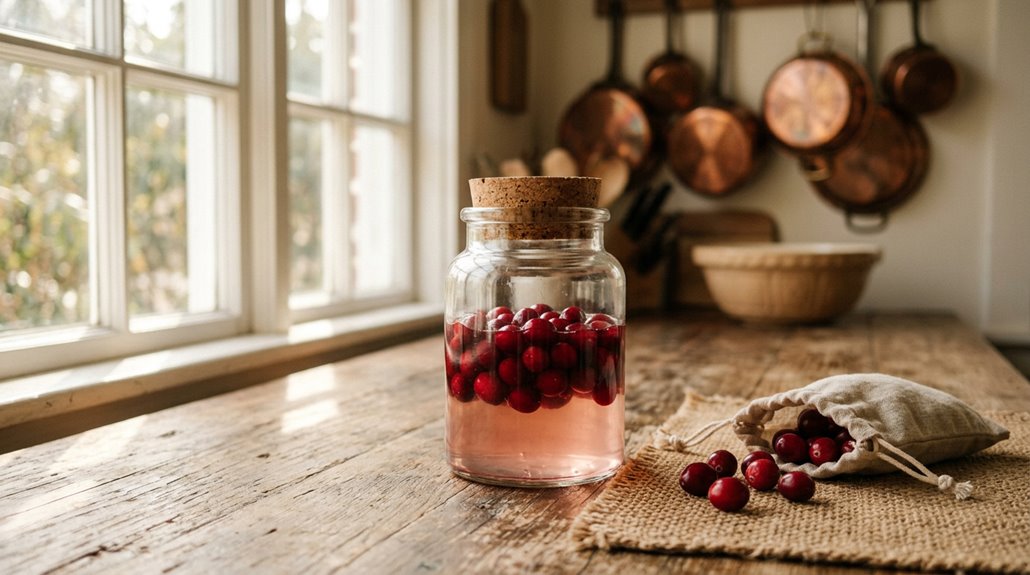
Choosing the right fruit for your brew starts with balancing its flavor profile against the other ingredients, since a too-sweet or too-tart base can ruin the final batch. Acid content levels and sugar fermentation needs are equally critical, as excessive acidity can stall yeast while insufficient sugar starves it.
And don’t overlook the fruit preparation method or batch yield potential, a simple crush versus a full pulp can dramatically change both the taste and the volume you’ll bottle.
Flavor Profile Balance
Balance is the secret ingredient that separates a good fruit wine from a truly memorable one. When selecting brewing fruits, it’s all about managing that sweet-acid tango. Berries lean tart, offering a zesty kick, while apples bring a softer, sweeter foundation. Ripeness matters too: overripe fruit can dump too much sugar, making the wine cloying, while underripe choices might punch you with sharp acidity.
For complexity, try combining complementary flavors. Mixing citrus with tropical varieties, for instance, can yield a revitalizing vibrant profile. And don’t overlook tannins: blackberries or grapes add depth, improving mouthfeel and aging potential. Finally, consider aromatic fruits like peaches or apricots: they elevate the entire sensory experience. Get this balance right, and you’re not just making wine; you’re crafting a story in a bottle.
Acid Content Levels
Because acid content directly influences a wine’s freshness and aging potential, it’s one of the first factors to weigh when choosing brewing fruits. Aim for that sweet spot pH of 3.0 to 3.5—it’s the perfect playground for yeast and flavor development. Higher acid acts like a natural preservative, keeping your wine vibrant longer, while lower levels often force you to add tweaks later. The acids themselves matter too: citric brightens, malic rounds, and tartaric (found in grapes) gives structure.
Different fruits bring different punches. Citrus fruits, for example, are naturally high in acid (think lemons or limes), while berries sit lower on the scale. This isn’t good or bad; it just means you pick based on the crisp profile you’re after. Adjustments are possible, but starting with the right fruit saves headaches.
Sugar Fermentation Needs
Next up on your fruit-picking checklist is sugar content, because yeast needs it to turn your must into wine. Different fruits pack varying sugar levels, which directly dictate your final alcohol content. Grapes, for instance, boast higher natural sugars than most berries, making them a winemaker’s darling.
For a successful ferment, aim for fruit with at least 15–20% sugar. That’s the sweet spot where yeast gets enough fuel to produce alcohol and carbon dioxide reliably. Overripe fruit might boost sugar, but it risks introducing funky flavors or spoilage, so stick with peak ripeness.
- If your fruit runs low on sugar, don’t panic. Supplement with cane or corn sugar to hit your target.
- Monitor specific gravity throughout fermentation with a hydrometer; it lets you track sugar levels and adjust as needed.
Fruit Preparation Method
How you handle fruit before it hits the fermenter can make or break your wine, and it’s not as simple as just tossing it in. Fresh fruit needs a good wash and a thorough crush, releasing those juices is non-negotiable for proper flavor extraction.
Frozen fruit? Lucky you. The freezing already busts up cell walls, so you can pitch it straight from the bag. But watch out with bottled juices: check labels for preservatives like potassium sorbate, because those little buggers will stall fermentation flat. Dried fruit requires a soak in warm water or juice for a few hours, that rehydration unveils sugars and makes them cooperative.
And always pick fruit at peak ripeness. Underripe stuff brings harsh acidity; overripe mutes the sugar. Get the prep right, and your wine starts winning before the yeast even wakes up.
Batch Yield Potential
Batch yield potential comes down to a simple equation: the fruit you choose directly dictates how much wine you’ll actually end up with. For a standard gallon, count on 2–3 pounds of fruit for ideal flavor, but don’t ignore juice content. Berries, for instance, squeeze out more liquid than stone fruits, so your batch size varies.
Fresh, frozen, or bottled juices all work, yet ripeness and processing shift yields. Fermentation also plays a role, some fruits create more sediment, which means extra straining and a smaller final volume. Here’s a quick breakdown:
- High-yield picks: berries (cranberries, blueberries) – max juice, less waste.
- Lower-yield options: peaches, plums – more pit, less wine.
- Pro tip: blend fruits to boost both flavor and volume. Experimentation pays off!
Equipment Compatibility
Beyond batch size, your actual setup matters just as much as the fruit you pick. First, verify your fermentation vessel can handle the volume, some fruits pack more juice than others, meaning a higher yield that might overflow a carboy. And don’t skip a mesh straining bag; it’s a cheap lifesaver for pulp separation, saving you from a clogged siphon later.
Temperature control is non-negotiable: a delicate raspberry ferment might need a cooler spot than a robust apple batch. Finally, check compatibility with yeast nutrients or stabilizers; those extras won’t help if your system can’t mix them in easily. So, match fruit to your gear, not the other way around.
Frequently Asked Questions
Can I Use Frozen Fruit Instead of Fresh?
Yes, frozen fruit works perfectly for brewing. A theory worth testing: freezing damages cell walls, which actually releases more juice and flavor during fermentation. And there’s no need to thaw, add frozen berries or peaches directly to the fermenter. This can boost clarity by breaking down pectin.
But be aware: frozen fruit may contain less sugar than fresh, so check specific gravity. Adjust with honey or sugar if needed. It’s a convenient, year-round option that often produces excellent results.
What Is the Shelf Life of Unopened Fruit Syrup?
Unopened fruit syrup typically lasts 1 to 2 years past its printed date when stored in a cool, dark place, think pantry, not fridge. But check for signs first: a tight seal, no bulging lid, and syrup that pours smoothly, not thick or cloudy.
Once opened, refrigeration extends life about 6 months. For brewing, freshness matters: older syrup loses bright flavor, making your brew taste flat.
Do I Need to Add Extra Sugar for Very Tart Fruits?
Yes, extra sugar is often needed for very tart fruits, but not always, it depends on the target sweetness and alcohol level. Sugar feeds yeast for fermentation, not just flavor. For intensely tart fruits like rhubarb or sour cherries, adding 1 to 2 pounds of sugar per gallon can balance acidity and boost ABV.
Taste the must; if puckering, add sugar incrementally. A hydrometer reading before fermentation is your best guide, aim for a starting gravity around 1.050 to 1.080. Over-sweetening risks a cloying finish, so adjust gradually!
Can I Mix Different Fruits in One Batch?
Yes, mixing fruits is not only allowed but encouraged for complexity! Stick to complementary flavors, tart raspberries pair beautifully with sweet mangoes, for example. Use roughly 2-3 pounds of fruit per gallon; chop larger fruits like peaches for better extraction.
Layer additions: add half in primary fermentation, the rest in secondary for a brighter fruit character. Just avoid overloading, as fermentation can become sluggish. Experiment with small test batches first.
How Do I Prevent Mold During Fermentation?
Mold, that fuzzy uninvited guest, thrives where cleanliness is a suggestion. The ironic fix is simple: sanitize everything ruthlessly, fermenter, airlock, even your hands. A vigorous fermentation creates CO₂, which pushes oxygen out. But if it stalls, mold moves in. Use a sealed airlock, keep fruit submerged with a weight, and maintain active yeast.
- Sanitize all equipment.
- Submerge fruit fully.
- Monitor fermentation temperature.
This approach wards off unwanted growth without sentiment.