So, you’re looking to dial in your brew for 2026. The right sugar does more than just boost alcohol; it shapes the body, the dry finish, even the head retention.
North Georgia’s Dextrose Corn Sugar is a clean workhorse, but clear candi sugar brings something entirely different to Belgian styles.
The list ahead sorts ten top contenders, from priming packs to specialty pounds, each with a specific job.
Which one fixes your current recipe’s gap?
At a Glance
- Dextrose corn sugar provides neutral flavor for moonshine and clean priming.
- Clear candi sugar boosts alcohol without residual sweetness for Belgian ales.
- Priming sugars like LD Carlson ensure consistent carbonation without off-flavors.
- Dried malt extract improves body and head retention in homebrewed beers.
- Demerara sugar adds molasses and caramel complexity to darker brews.
| North Georgia Still Company’s Dextrose Corn Sugar 5 lbs. | 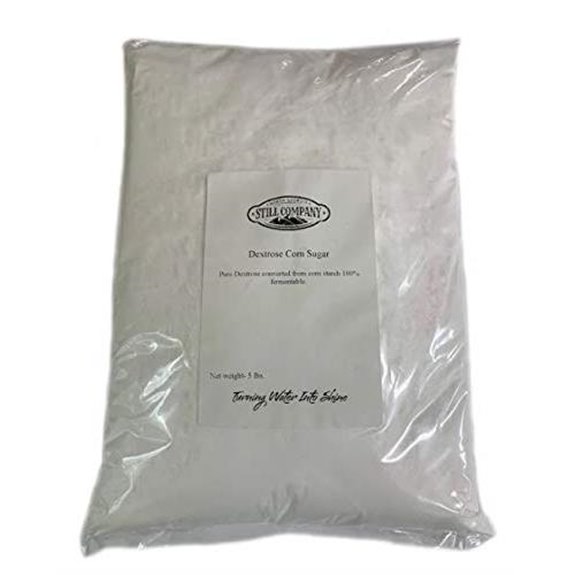 | Bulk Buy Best | Sugar Type: Dextrose (Corn Sugar) | Package Weight: 5 lbs | Form: Powder | VIEW LATEST PRICE | Read Our Analysis |
| LD Carlson 9760 Priming Sugar 5 oz. | 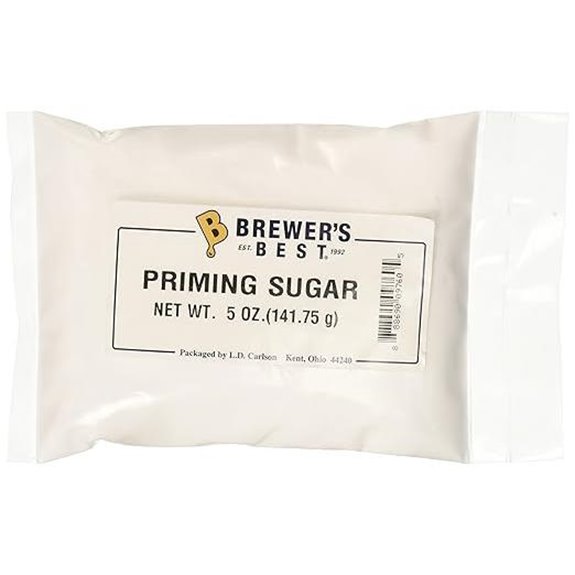 | Best for Bottling | Sugar Type: Corn Sugar | Package Weight: 5 oz | Form: Granulated | VIEW LATEST PRICE | Read Our Analysis |
| Corn Sugar Dextrose Priming Sugar 1lb | 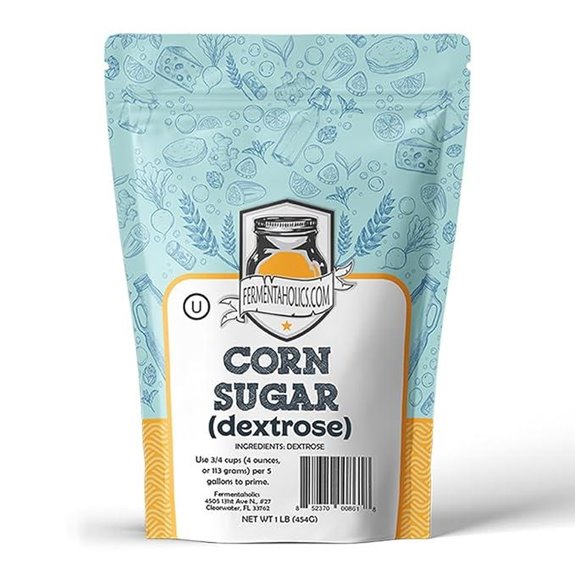 | Starter Essential | Sugar Type: Dextrose (Corn Sugar) | Package Weight: 1 lb | Form: Powder | VIEW LATEST PRICE | Read Our Analysis |
| Corn Sugar (Dextrose) 5oz – 4-Pack | 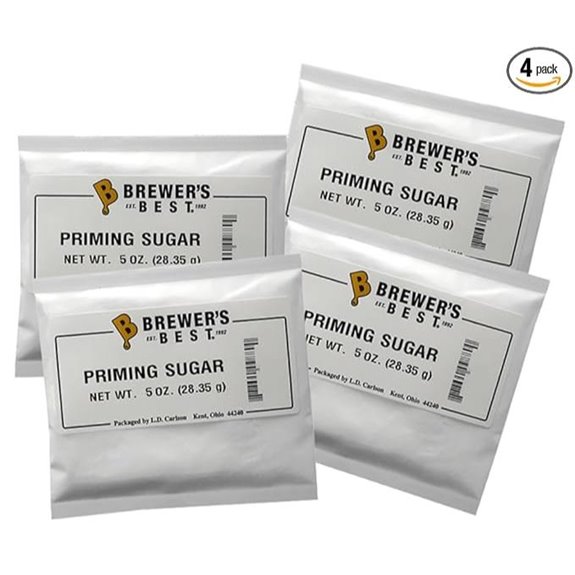 | Most Convenient | Sugar Type: Dextrose (Corn Sugar) | Package Weight: 5 oz (4-pack) | Form: Granulated | VIEW LATEST PRICE | Read Our Analysis |
| Brewer”s Garden 4F-XEO3-ZVUB Sugar – Clear – 1 lb. |  | Best for Belgians | Sugar Type: Candi Sugar | Package Weight: 1 lb | Form: Powder | VIEW LATEST PRICE | Read Our Analysis |
| HOZQ8-897 Bries Dried Malt Extract 3 lb. (Bavarian Wheat) Beige | 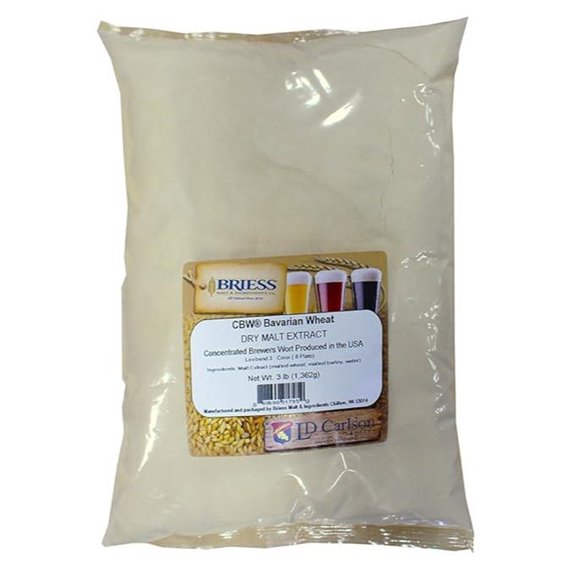 | Malt Alternative | Sugar Type: Dried Malt Extract | Package Weight: 3 lb | Form: Dried extract | VIEW LATEST PRICE | Read Our Analysis |
| Craft A Brew Demerara Sugar 1 lb | 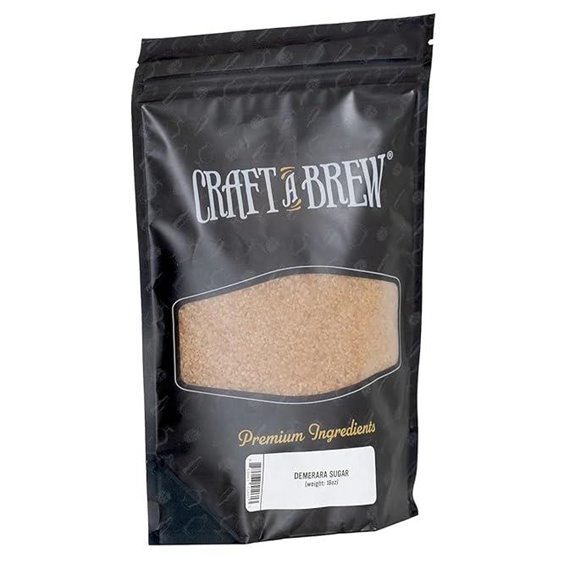 | Rich Flavor Choice | Sugar Type: Demerara Sugar | Package Weight: 1 lb | Form: Raw sugar crystals | VIEW LATEST PRICE | Read Our Analysis |
| Corn Sugar (Dextrose) priming sugar for beer brewing 4 Pounds | 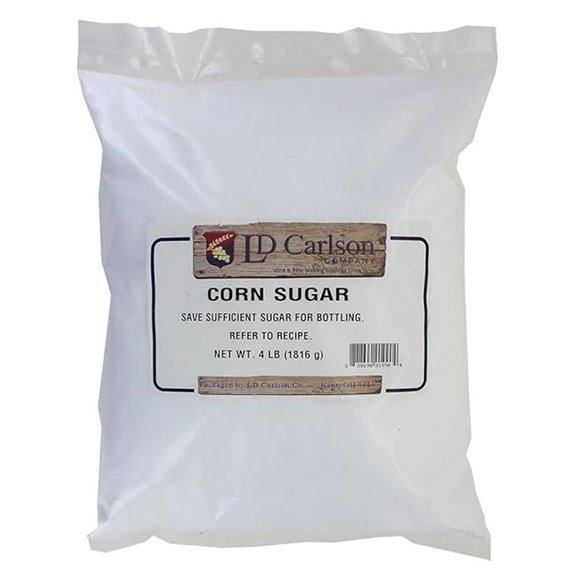 | Most Versatile | Sugar Type: Dextrose (Corn Sugar) | Package Weight: 4 lbs | Form: Powder | VIEW LATEST PRICE | Read Our Analysis |
| Brewer’s Best Light Belgian Candi Sugar 1 lb | 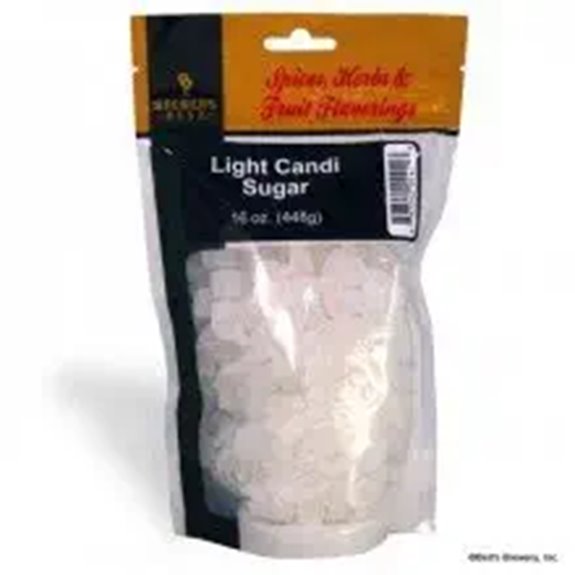 | Belgian Specialist | Sugar Type: Light Belgian Candi Sugar | Package Weight: 1 lb | Form: Powder | VIEW LATEST PRICE | Read Our Analysis |
| Craft A Brew Priming Sugar for Home Brewing | 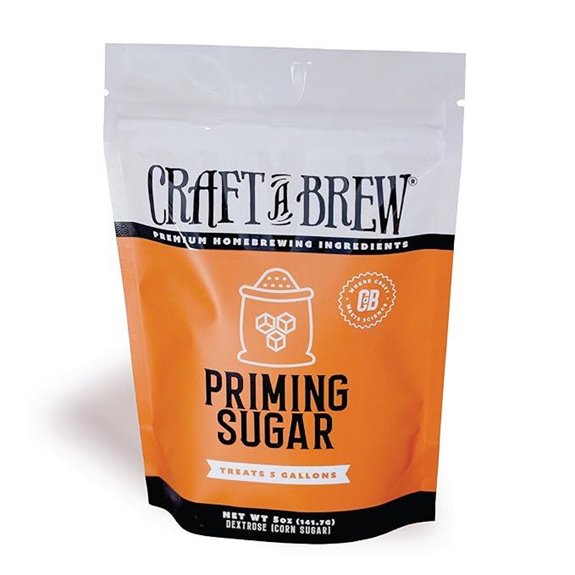 | Best All-Rounder | Sugar Type: Dextrose (Corn Sugar) | Package Weight: 5 oz | Form: Granulated | VIEW LATEST PRICE | Read Our Analysis |
More Details on Our Top Picks
North Georgia Still Company’s Dextrose Corn Sugar 5 lbs.
For bulk buy best value, this 5-pound bag of North Georgia Still Company’s dextrose corn sugar is the ideal choice for serious home distillers and Brewers who prioritize purity. This pure glucose monohydrate ferments cleanly, leaving minimal off-flavors.
It’s perfect for:
- Moonshine mashes – Provides a neutral sugar source for high-proof spirits.
- Beer priming – Carbonates bottles without altering taste.
- Wine boosters – Raises alcohol content subtly.
Every bag comes with step-by-step instructions, plus access to recipes and a FAQ page for troubleshooting. And yes, the company’s full line of equipment pairs nicely—starter recipes included. Grab a bag, and let fermentation begin!
- Sugar Type:Dextrose (Corn Sugar)
- Package Weight:5 lbs
- Form:Powder
- Primary Use:Fermentation and distillation
- Container Type:Bag
- Fermentability:High (simple sugar)
- Additional Feature:Includes starter recipes
- Additional Feature:Step-by-step instructions included
- Additional Feature:Ideal for home distilling
LD Carlson 9760 Priming Sugar 5 oz.
LD Carlson 9760 Priming Sugar, a five-ounce bag of corn sugar, is a solid choice for homeBrewers who value consistent carbonation and want a simple, reliable method for bottling.
This white, finely ground sugar dissolves easily; just boil it in water before adding to your beer for even distribution. The recommended dosage runs about one ounce per gallon, so for a standard five-gallon batch, you’ll use between 3.5 and 5 ounces. And here’s the kicker: it boosts alcohol content without altering your beer’s flavor profile—nothing like that cidery taste some sugars leave behind. It’s a professional-level tool packed into a tiny, lightweight bag.
- Sugar Type:Corn Sugar
- Package Weight:5 oz
- Form:Granulated
- Primary Use:Carbonation (priming)
- Container Type:Bag
- Fermentability:High (simple sugar)
- Additional Feature:Professional-level carbonation
- Additional Feature:Increases alcohol without taste
- Additional Feature:Dissolve before adding
Corn Sugar Dextrose Priming Sugar 1lb
Priming with corn sugar dextrose is the cleanest path to natural carbonation, making it a starter essential for homeBrewers focused on flavor clarity. This 1 lb package of highly fermentable dextrose is a workhorse for bottle conditioning.
And here’s why it shines: the yeast consumes it effortlessly, sparking a reliable secondary fermentation that carbonates beer, cider, or hard seltzer without fuss. Its neutral flavor preserves your original brew’s character perfectly. It even maintains lighter colors in your beer.
Key benefits include:
- Enhances fermentation efficiency.
- Versatile across beverages.
- Simple measurement for beginners.
Use about 3/4 cup per 5 gallons for standard carbonation—easy math, consistent results!
- Sugar Type:Dextrose (Corn Sugar)
- Package Weight:1 lb
- Form:Powder
- Primary Use:Priming and bottle conditioning
- Container Type:Bag
- Fermentability:Highly fermentable
- Additional Feature:Secondary fermentation facilitator
- Additional Feature:Maintains lighter beer color
- Additional Feature:Suitable for hard seltzer
Corn Sugar (Dextrose) 5oz – 4-Pack
Corn Sugar (Dextrose), 5oz – 4-Pack takes the guesswork out of bottle conditioning, making it the best choice for homeBrewers who want predictable carbonation with minimal effort.
Each 5-ounce package precisely carbonates 5 US gallons of beer—no measuring, no math. Dextrose ferments cleanly and quickly, unlike table sugar which can leave cidery notes. Just dissolve, add to the bottling bucket, and bottle.
- Clean flavor: Dextrose ferments completely, leaving no off-flavors from sucrose.
- Convenient: Pre-portioned 5oz packages, four per pack, ready for batch after batch.
- Versatile: Adjust carbonation by using slightly less or more per five gallons.
It’s the no-fuss priming sugar for consistent results, every time.
- Sugar Type:Dextrose (Corn Sugar)
- Package Weight:5 oz (4-pack)
- Form:Granulated
- Primary Use:Carbonation (priming)
- Container Type:Bag (pack of 4)
- Fermentability:Easy and quick fermentation
- Additional Feature:Conveniently portioned packages
- Additional Feature:Preferable to table sugar
- Additional Feature:Adjustable carbonation levels
Brewer”s Garden 4F-XEO3-ZVUB Sugar – Clear – 1 lb.
For those brewing light Belgian or Tripel styles, this sugar is a staple.
Produced by Home Brew Ohio, this one-pound bag of Brewer’s Garden Clear Candi Sugar is powdered and 100% fermentable, meaning it adds alcohol without residual sweetness or color—zero Lovibond.
Use it at 1-2 pounds per 5-gallon batch to boost gravity cleanly. It’s perfect when you want that dry, crisp finish Belgian ales are known for.
- Weight: 1 lb (16 ounces)
- Color: 0 L (crystal clear)
- Fermentability: Complete
No caramel here. Just a neutral, potent kick. A no-nonsense tool for serious homeBrewers.
- Sugar Type:Candi Sugar
- Package Weight:1 lb
- Form:Powder
- Primary Use:Fermentation (Belgian styles)
- Container Type:Bag
- Fermentability:100% fermentable
- Additional Feature:Ideal for Tripel styles
- Additional Feature:0 L color rating
- Additional Feature:100% fermentable
HOZQ8-897 Bries Dried Malt Extract 3 lb. (Bavarian Wheat) Beige
Bavarian wheat Brewers, take note. This 3-pound bag of Bries Dried Malt Extract isn’t just a sugar—it’s pure, unadulterated Bavarian wheat essence in beige powder form. Know-How Brewshop brings it, Briess Malt makes it, and here’s the kicker: Briess is the only vertically integrated malting company in North America, meaning they control quality from grain to bag.
What does it do for your brew?
- Boosts gravity without extra length
- Adjusts color and improves body and head retention
- Saves time and extends batch size
Use it to dial in flavor or to make a full extract hefeweizen. It’s 100% malted barley extract—no additives, just malt and water. For 2026, this is your secret weapon for better wheat beers.
- Sugar Type:Dried Malt Extract
- Package Weight:3 lb
- Form:Dried extract
- Primary Use:Extract brewing and gravity adjustment
- Container Type:Bag
- Fermentability:Adjustable (malt extract)
- Additional Feature:Improves body and head retention
- Additional Feature:100% pure malted barley
- Additional Feature:Increases capacity and productivity
Craft A Brew Demerara Sugar 1 lb
Demerara sugar from Craft A Brew is a rich flavor choice for homeBrewers seeking depth in darker styles. This raw sugarcane sugar delivers distinct molasses, caramel, and toffee notes, plus it darkens your brew beautifully. It’s ideal for stouts or Belgian Dubbels.
- Use it to boost gravity in your boil or as a priming sugar substitute—about ¾ cup per 5 gallons for carbonation.
- Craft A Brew focuses on quality and sustainability, so you’re getting a clean, consistent ingredient.
Sold separately now from their root beer and cola kits, this 1 lb bag invites experimentation. And remember: a little goes a long way toward complexity!
- Sugar Type:Demerara Sugar
- Package Weight:1 lb
- Form:Raw sugar crystals
- Primary Use:Priming and flavor addition
- Container Type:Bag
- Fermentability:High (raw sugar)
- Additional Feature:Adds caramel and toffee notes
- Additional Feature:Suitable for Belgian Dubbels
- Additional Feature:Included in root beer kits
Corn Sugar (Dextrose) priming sugar for beer brewing 4 Pounds
This corn sugar is a perfect pick for any homeBrewer who wants one simple ingredient to handle multiple jobs. It’s pure white dextrose powder—clean and reliable.
- For priming: Dissolve it before bottling to create steady carbonation. No fuss, no off-flavors.
- As an adjunct: Add it to your boil for a higher alcohol kick in a Double IPA or barleywine, stripping body for a crisp finish. It also works beautifully for hobby distilling, producing a sugar wash for spirits.
Just remember: this is for Brewers 18 and older. Simple, versatile, and effective.
- Sugar Type:Dextrose (Corn Sugar)
- Package Weight:4 lbs
- Form:Powder
- Primary Use:Priming and adjunct brewing
- Container Type:Bottle
- Fermentability:High (simple sugar)
- Additional Feature:For high gravity beers
- Additional Feature:Reduces body in brews
- Additional Feature:Hobby distilling use
Brewer’s Best Light Belgian Candi Sugar 1 lb
Light Belgian candi sugar is a belgian specialist for Brewers aiming to boost alcohol without changing flavor.
Brewer’s Best provides this 1 lb bag of powder—100% fermentable refined beet sugar—so you can crank up the ABV without adding maltiness or sweetness. Perfect for Belgian-style beers!
- Use it when you want a crisp, dry finish and higher alcohol content.
- Add it during the boil for easy dissolution.
- One pound raises gravity approximately 9 points per gallon of wort.
And remember, this sugar ferments completely, leaving no residual sweetness—just clean, potent fuel for the yeast.
- Sugar Type:Light Belgian Candi Sugar
- Package Weight:1 lb
- Form:Powder
- Primary Use:Alcohol enhancement (Belgian beers)
- Container Type:Bag
- Fermentability:100% fermentable
- Additional Feature:Made from refined beet sugar
- Additional Feature:No added maltiness/sweetness
- Additional Feature:Belgian cuisine suitability
Craft A Brew Priming Sugar for Home Brewing
Craft A Brew Priming Sugar is a dependable choice for homeBrewers bottling beer or hard cider. This dextrose (corn sugar) yields neutral carbonation, so your brew’s flavor stays intact—no unwanted sweetness. The 5 oz bag conveniently pre-measures enough for one 5-gallon batch or multiple 1-gallon batches.
Preparation is straightforward:
- For 1 gallon: boil 1 oz sugar with 1.5 cups water for 5 minutes, then cool.
- For 5 gallons: use 5 oz sugar with 2 cups water.
And because it’s pure dextrose, yeast converts it efficiently. Craft A Brew, based in Orlando, FL, prioritizes ingredient quality and sustainable design—keeping your bottles bubbly and your conscience clear!
- Sugar Type:Dextrose (Corn Sugar)
- Package Weight:5 oz
- Form:Granulated
- Primary Use:Carbonation (priming)
- Container Type:Bag
- Fermentability:High (dextrose)
- Additional Feature:Pre-packaged 5 oz bag
- Additional Feature:Boil 5 minutes before use
- Additional Feature:Neutral flavor during carbonation
Factors to Consider When Choosing Brewing Sugars
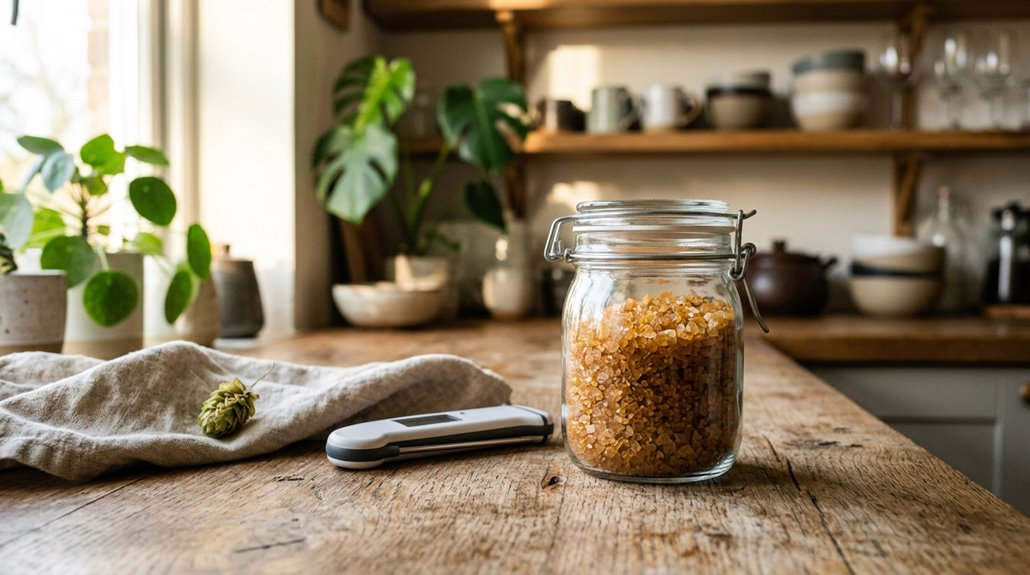
Choosing the right brewing sugar is a balancing act of fermentability, flavor, and alcohol goals. For instance, a simple sugar like corn sugar ferments almost completely, boosting ABV without adding body, while a complex sugar like dark candi syrup can lend rich, fruity notes to a Belgian ale. And don’t overlook the sugar’s physical form. Powdered sugars dissolve in a flash, while syrups offer a thicker, more flavorful addition that can be tricky to measure precisely.
Fermentability Levels
Fermentability levels determine how much of a given sugar yeast can actually turn into alcohol and gas. This metric is arguably the most important factor when choosing a brewing sugar. Simply put, higher fermentability means more efficient alcohol production and a drier finish. Dextrose and corn sugar, for instance, are nearly fully fermentable, ideal for bottle conditioning or boosting ABV without residual sweetness. Table sugar (sucrose) also ferments well but can leave off-flavors, so many brewers prefer cleaner options like dextrose instead.
Here’s what you need to know:
- Final gravity impact: Highly fermentable sugars lower final gravity, creating a lighter body and higher alcohol content.
- Carbonation control: For priming, stick to sugars known for complete attenuation, aim for around 3/4 cup of dextrose per 5 gallons for consistent fizz.
Understanding these levels helps you hit your target without guesswork.
Flavor Impact
Raw sugars like Demerara bring a richer profile thanks to their molasses content, which enhances darker styles and creates more nuanced tastes. The sugar’s color matters too: lighter sugars keep a pale hue, while darker ones deepen color and add richness.
Choose based on the character you want. A thoughtful pick can transform a brew from simple to complex.
Alcohol Content Goals
Precision matters when alcohol content is your target. Different sugars offer distinct fermentability, dextrose, for instance, converts almost entirely to alcohol, making it ideal for high-ABV goals. And the numbers back this up: one pound of corn sugar in a standard five-gallon batch boosts alcohol by roughly 0.5%. Table sugar (sucrose) is less efficient, leaving some residual sweetness behind.
So, if your goal is a crisp, elevated ABV, say, pushing a pale ale or stout past 6%, choose dextrose or corn sugar. For bottle conditioning, priming sugars like corn sugar serve double duty: they carbonate and add a tiny alcohol bump.
But remember, precise measurement is non-negotiable. Overdoing sugar by just a few ounces can push alcohol beyond your target, upsetting balance.
Beer Style Matching
Match your sugar to your beer style, it’s not a one-size-fits-all decision. For Belgian ales, candi sugar shines, boosting alcohol without cloying maltiness. Lighter beers, like lagers or pilsners, call for corn sugar (dextrose) during priming, its neutral character keeps things crisp. Darker brews, such as stouts and porters, benefit from raw Demerara, adding rich molasses and caramel for extra complexity.
High gravity beers, think double IPAs or barleywines, lean on sugar adjuncts to elevate ABV while avoiding a heavy body. And for fermentability, candi sugar also improves carbonation without altering taste. Remember these pairings:
- Belgians: candi sugar.
- Lagers: corn sugar.
- Stouts: Demerara.
- High gravity: adjuncts.
Match well, and your beer sings, mismatch, and it’s just off-key.
Sugar Form & Solubility
Once you’ve matched your sugar to the beer style, there’s another layer to contemplate: the sugar’s form and how it dissolves. Solubility matters because it governs how evenly the sugar disperses in water, ensuring consistent fermentation and carbonation.
Granulated sugars, like dextrose, dissolve slowly, while powdered forms (think confectioners’) melt almost instantly. Liquid sugars offer the fastest solubility, but they require careful measurement. A sugar that dissolves completely means fewer clumps and quicker fermentation. Plus, it impacts clarity: powdered sugars leave less residue than granulated ones.
For crisp lagers or hazy IPAs, understanding these differences lets you dial in carbonation without unwanted sweetness or off-flavors. Consider:
- Powdered: Fast dissolution, cleaner clarity.
- Granulated: Slow, needs longer stirring.
- Liquid: Instant, but precise volumes essential.
Get this right, and your brew stays on track.
Frequently Asked Questions
How Do I Properly Store Leftover Brewing Sugar?
Store leftover brewing sugar in an airtight container, away from moisture and heat. A sealed glass jar or Mylar bag works best. Keep it in a cool, dark pantry; temperatures above 75°F invite clumping or spoilage.
For long-term storage, the freezer is your friend, just let it come to room temperature before opening to avoid condensation. And never reuse a bag that previously held damp ingredients; that invites mold. Properly stored, most sugars stay viable for years.
Can I Mix Different Brewing Sugars in One Batch?
Yes, mixing brewing sugars is fine, provided one considers fermentability first. Simple corn sugar (dextrose) ferments completely, drying the beer out. Cane sugar or honey adds subtle flavors. Darker sugars like brown or molasses add rich, complex notes.
A brewer might combine 2 pounds of light DME with 1 pound of corn sugar to boost alcohol without excessive body. Stick to proportion, too much priming sugar risks over-carbonation. Balance is key, not just sugar content.
Does Sugar Choice Affect Alcohol Content Versus Taste Only?
Sugar choice influences both alcohol content and taste, not just one or the other. For alcohol, different sugars ferment to varying degrees; corn sugar (dextrose) ferments nearly 100%, while maltodextrin leaves residual sweetness and body. Taste shifts too: honey adds floral notes, brown sugar contributes molasses complexity. So, picking a sugar directly shapes final ABV and flavor profile.
Think of it as choosing both your destination and the scenery along the way.
Will Expired Brewing Sugar Still Carbonate My Beer?
Expired brewing sugar may still carbonate beer, but its effectiveness has likely faded. Sugars degrade over time, especially if stored poorly, losing fermentability. For reliable carbonation, use fresh priming sugar, corn sugar or table sugar works perfectly.
Yeast needs consistent sugar to produce CO2; old, clumpy sugar might not dissolve evenly. A simple test: dissolve a bit in warm water; if it smells off or has darkened, replace it. Generally, don’t risk a flat batch over expired ingredients.
What Is the Shelf Life of Opened Liquid Candi Sugar?
Opened liquid candi sugar will usually carbonate beer for up to six months, conveniently, right when most homebrewers find it crystallized at the back of the fridge. Its shelf life, however, depends on storage: keep it airtight and cool. After six months, invert the jar in warm water; if crystals dissolve completely, use it. If a grainy paste remains, replacement is advised.
But for ideal carbonation, fresher is simpler.