So you are planning your 2026 hop selections. Great.
This list covers ten distinct varieties, from the tropical punch of Galaxy to the clean bitterness of El Dorado. Each brings something specific to the boil kettle.
But which one fits your next brew?
The right choice depends on your style, your recipe, and what you want your drinkers to taste first.
At a Glance
- Galaxy hops lead for 2026 IPAs with tropical passionfruit and citrus notes.
- Mosaic™ hops offer fruity complexity with blueberry and floral undertones.
- Chinook hops provide smooth bitterness with strong grapefruit and pine flavors.
- Centennial hops remain versatile for American IPAs, stouts, and porters.
- Organic Biokoma hops suit caffeine-free tea with earthy, gentle bitterness.
| Biokoma Organic Hops Dried Flowers 1.76oz | 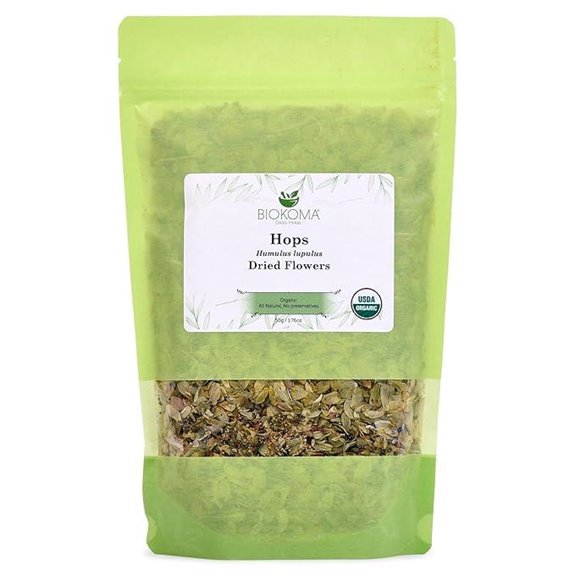 | Best for Tea | Format: Dried whole flowers | Weight/Quantity: 1.76 oz | Origin: Not specified (organic) | VIEW LATEST PRICE | Read Our Analysis |
| Chinook Hop Pellets 8 oz. | 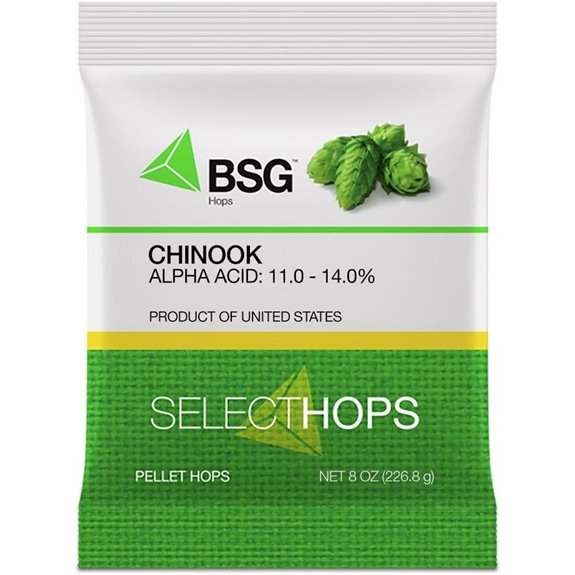 | Best for Bitterness | Format: Pellets | Weight/Quantity: 8 oz | Origin: United States | VIEW LATEST PRICE | Read Our Analysis |
| Galaxy Hops – 1 oz Pellets | 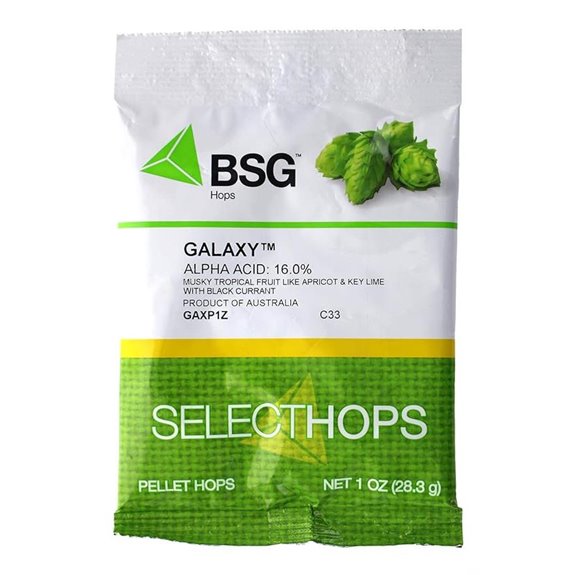 | Most Aromatic | Format: Pellets | Weight/Quantity: 1 oz | Origin: Australia | VIEW LATEST PRICE | Read Our Analysis |
| HCAS2W Hop (Whole) – Cascade (2 oz) | 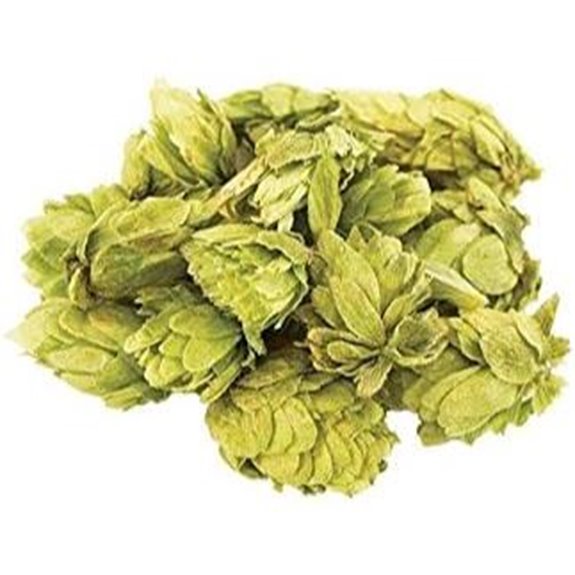 | Best Aroma Hop | Format: Whole hops | Weight/Quantity: 2 oz | Origin: United States | VIEW LATEST PRICE | Read Our Analysis |
| Centennial (US) Hop Pellets 8 oz | 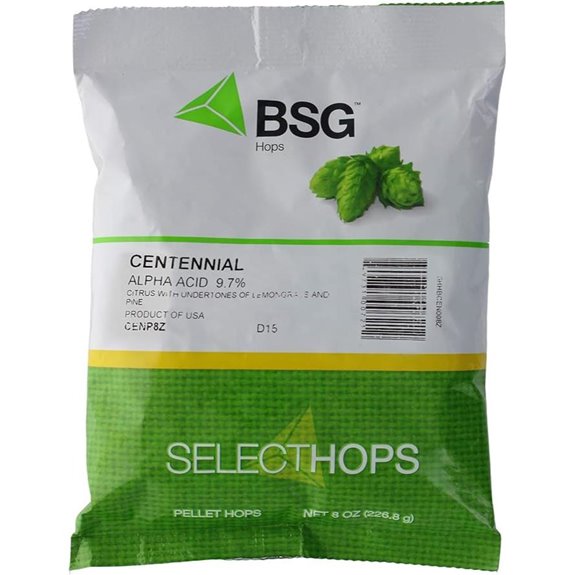 | Most Versatile | Format: Pellets | Weight/Quantity: 8 oz | Origin: United States | VIEW LATEST PRICE | Read Our Analysis |
| KVITER 150 Hops Seeds for Brewing | 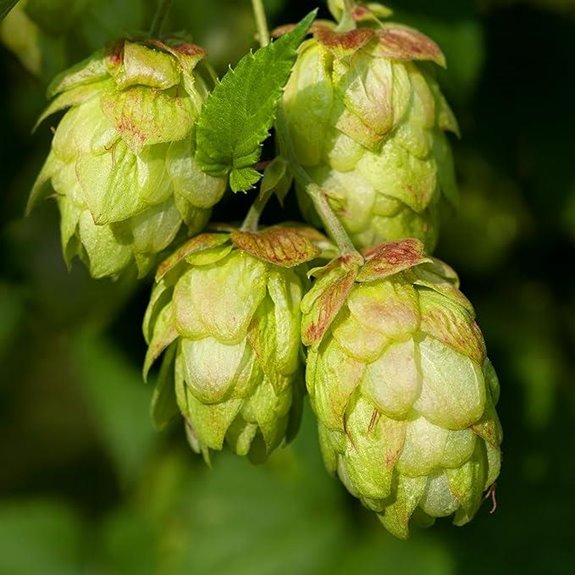 | Best for Growing | Format: Seeds | Weight/Quantity: 150 seeds | Origin: Europe | VIEW LATEST PRICE | Read Our Analysis |
| BSG Hops Mosaic™ Hop Pellets 8 oz. | 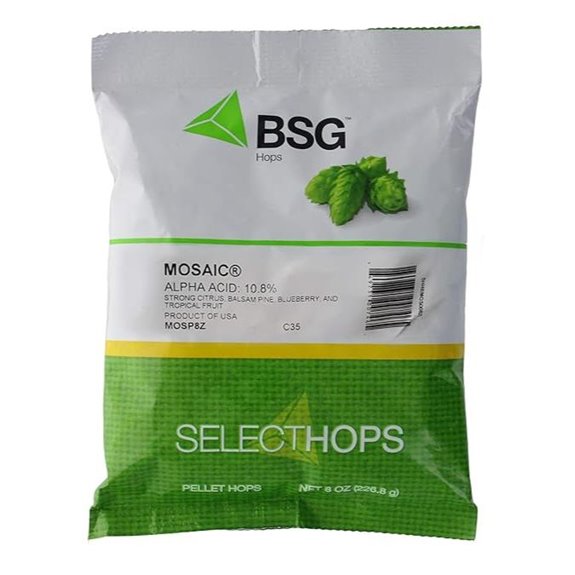 | Best Tropical Flavor | Format: Pellets | Weight/Quantity: 8 oz | Origin: United Kingdom | VIEW LATEST PRICE | Read Our Analysis |
| BSG Hops El Dorado Hop Pellets 8 oz. | 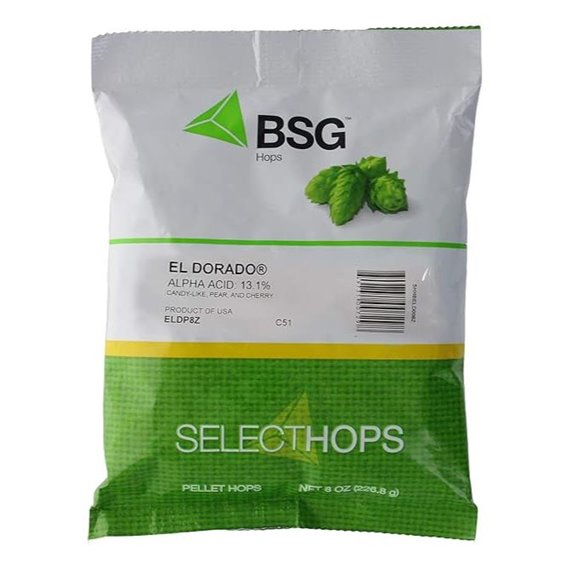 | Best Fruity Profile | Format: Pellets | Weight/Quantity: 8 oz | Origin: United Kingdom | VIEW LATEST PRICE | Read Our Analysis |
| BSG Hops Northern Brewer Hop Pellets 8 oz. | 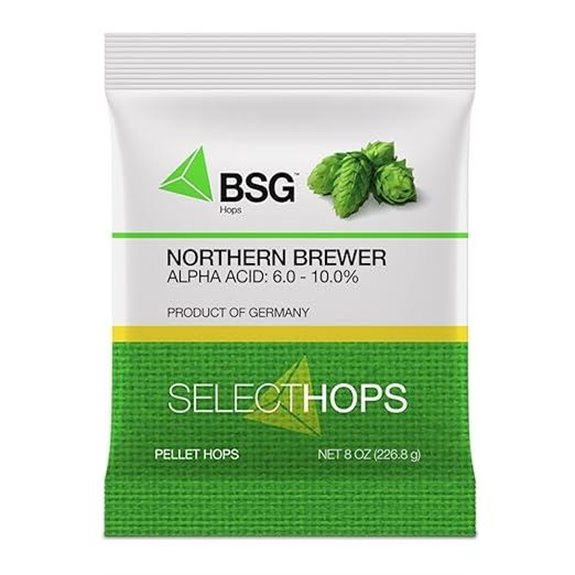 | Best for Traditional Styles | Format: Pellets | Weight/Quantity: 8 oz | Origin: Germany | VIEW LATEST PRICE | Read Our Analysis |
| BSG Hops Amarillo® Hop Pellets 1 oz | 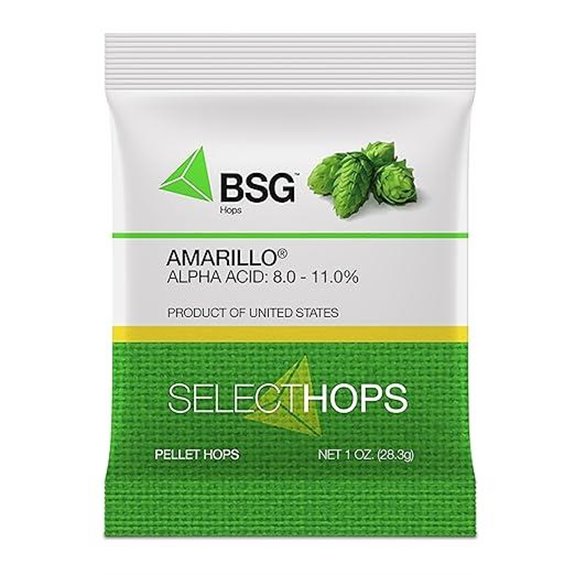 | Editor’s Choice | Format: Pellets | Weight/Quantity: 1 oz | Origin: United States | VIEW LATEST PRICE | Read Our Analysis |
More Details on Our Top Picks
Biokoma Organic Hops Dried Flowers 1.76oz
For tea drinkers seeking a caffeine-free evening ritual, Biokoma Organic Hops Dried Flowers hits the mark. This 1.76oz pouch, made from Humulus lupulus, is USDA Certified Organic and Non-GMO, with zero additives or preservatives.
The flavor is earthy with a gentle bitterness—think a crisp, slightly sharp brew that pairs wonderfully with honey or lemon. To prepare: steep 1 teaspoon in freshly boiled water for 10 to 15 minutes. Cover it while steeping to lock in the aromatics.
The resealable, moisture-proof pouch keeps the hops fresh and potent, ready for your next wind-down session. No fuss, just calm.
- Format:Dried whole flowers
- Weight/Quantity:1.76 oz
- Origin:Not specified (organic)
- Primary Use:Herbal tea
- Alpha Acid Content:Not applicable (tea)
- Flavor/Aroma Profile:Earthy, gently bitter
- Additional Feature:Resealable moisture-proof pouch
- Additional Feature:USDA Certified Organic
- Additional Feature:Suitable for evening relaxation
Chinook Hop Pellets 8 oz.
Chinook Hop Pellets 8 oz. deliver bitterness that is both potent and smooth. Developed by a USDA breeding program and released in 1985, this high-alpha variety (11.0-14.0%) comes from BSG Hops. Its ancestry—Petham Golding and USDA 63012—gives a moderate cohumulone level, so the bitterness lands cleanly without harshness.
As a dual-purpose hop, it pulls double duty: bittering with confidence, flavoring with attitude. Expect strong grapefruit, mountain pine, resin, citrus, and fragrant dried herbs. Packaged in nitrogen-flushed, oxygen-barrier bags, these pellets stay fresh. Use 1 ounce per 5 gallons for a solid bittering charge. It’s a workhorse, plain and simple.
- Format:Pellets
- Weight/Quantity:8 oz
- Origin:United States
- Primary Use:Brewing (bittering/flavor)
- Alpha Acid Content:11.0-14.0%
- Flavor/Aroma Profile:Grapefruit, pine, resin, citrus, dried herbs
- Additional Feature:Developed by USDA breeding
- Additional Feature:Nitrogen-flushed packaging
- Additional Feature:Potent, smooth bitterness
Galaxy Hops – 1 oz Pellets
Galaxy Hops make sense for any brewer craving tropical punch in their pale ales. These Australian pellets deliver an aromatic knockout with passionfruit, mango, and peach—subtle citrus plays backup.
With alpha acids in the 13.5-15.0% range, one ounce earns dual-purpose status: bittering and aroma in one tidy package.
- Best for: IPAs and pale ales, naturally.
- Similar to: Citra, but Galaxy brings its own exotic twist.
Add them at flameout for maximum fruit-forward character, or early boil for clean bitterness. Either way, your beer gets a ticket Down Under. Cheers to that!
- Format:Pellets
- Weight/Quantity:1 oz
- Origin:Australia
- Primary Use:Brewing (dual-purpose)
- Alpha Acid Content:13.5-15.0%
- Flavor/Aroma Profile:Citrus, passionfruit, mango, peach
- Additional Feature:Australian origin
- Additional Feature:Similar to Citra variety
- Additional Feature:Passionfruit, mango, peach notes
HCAS2W Hop (Whole) – Cascade (2 oz)
Cascade whole hops are a go-to for aroma-focused brewing. This two-ounce package from ArtisanHops delivers that classic floral-citrus punch—grapefruit zest and blossoms—making it a reliable choice for late additions.
With average alpha acid content, it’s not about bitterness; it’s about layering that signature nose into pale ales or American IPAs, ideally added at flameout or dry hop. Keep it fresh, as whole hops lose punch fast. Use it to finish a batch where aroma steals the show.
- Format:Whole hops
- Weight/Quantity:2 oz
- Origin:United States
- Primary Use:Brewing (aroma/flavor)
- Alpha Acid Content:Average (not specified)
- Flavor/Aroma Profile:Floral, citrus
- Additional Feature:Whole hop format
- Additional Feature:Primarily for aroma/flavor
- Additional Feature:Fresh temperature condition
Centennial (US) Hop Pellets 8 oz
Centennial is the most versatile hop for brewers seeking a reliable workhorse. First available in June 2020 and weighing 8.1 ounces (7.5 x 6 x 0.5 inches), these BSG HandCraft pellets deliver a classic profile: dominant citrus, with lemongrass and pine needles lurking underneath.
Think Cascade’s grapefruit, but more assertive. This dual-purpose hop shines in finishing or dry hopping.
- Best for: American IPAs, pale ales, stouts, and porters.
- Also works: in lower doses for wheat or blonde ales.
It stands alone or blends beautifully. Customers agree: this is a pantry staple, not a specialty item. Check the manufacturer for warranty details.
- Format:Pellets
- Weight/Quantity:8 oz
- Origin:United States
- Primary Use:Brewing (dual-purpose)
- Alpha Acid Content:High (not specified)
- Flavor/Aroma Profile:Citrus, lemongrass, pine needles
- Additional Feature:Reminiscent of Cascade hops
- Additional Feature:Excellent for finishing/dry hopping
- Additional Feature:Suitable for stouts/porters
KVITER 150 Hops Seeds for Brewing
KVITER 150 hops seeds are the top pick for homebrewers who want to grow their own hops from scratch.
This heirloom European variety (Humulus Lupulus) delivers bold bitterness and aromatic cones in about four months, perfect for beer, teas, or tinctures.
To get started:
- Soak seeds 12 hours, then cold stratify for 30 days—this boosts the 85% germination rate.
- Plant in spring to summer in full sun. Expect vines to shoot up 18 feet in one season, spreading 3–6 feet wide.
- They prefer loamy soil with moderate moisture. Hardy in USDA zones 4–8.
It is a low-maintenance perennial; once established, it returns year after year with minimal fuss! Each packet contains 150 seeds.
- Format:Seeds
- Weight/Quantity:150 seeds
- Origin:Europe
- Primary Use:Growing hops for brewing
- Alpha Acid Content:Not applicable (seeds)
- Flavor/Aroma Profile:Bold bitterness and aroma (when grown)
- Additional Feature:Cold stratification required
- Additional Feature:Grows up to 18 ft season
- Additional Feature:150 seeds per packet
BSG Hops Mosaic™ Hop Pellets 8 oz.
BSG Hops Mosaic™ Hop Pellets 8 oz. deliver a tropical fruit complexity that stands out among its peers, making it the go-to choice for brewers crafting hop-forward American ales. From the United Kingdom, these pellets flaunt an 11% alpha acid content—perfect for bittering with a soft, floral, and spicy punch.
You’ll pick up layered notes of:
- Citrus oil and balsam pine
- Blueberry and peach
- Mango, lime, and mandarin orange
For a double IPA, add a late addition or dry hop. And don’t overlook the sizing—7.5 x 6 x 0.5 inches—so they store neatly. Bitter yet fruity? That’s Mosaic™ in summary.
- Format:Pellets
- Weight/Quantity:8 oz
- Origin:United Kingdom
- Primary Use:Brewing (dual-purpose)
- Alpha Acid Content:11%
- Flavor/Aroma Profile:Floral, spicy, citrus, blueberry, peach, tropical fruit
- Additional Feature:Blueberry and peach notes
- Additional Feature:Soft, floral, spicy aroma
- Additional Feature:Balsam pine impressions
BSG Hops El Dorado Hop Pellets 8 oz.
For brewers chasing a standout fruity profile without relying solely on aroma additions, the BSG Hops El Dorado Hop Pellets deliver. This UK-origin, dual-purpose hop packs a high alpha acid level of 12.5%, providing clean, smooth bitterness while contributing vibrant tropical fruit, watermelon, pear, and stone fruit flavors.
- Flavor highlights: Citrus and fresh-cut grass undertones add complexity.
- Performance: Consistent results across multiple cuisines—especially brewing.
- Customer buzz: Positive feedback and high scores from users.
An 8-ounce, single-unit package (UPC: 849731007298) guarantees reliability. And whether for bittering or late additions, expect serious fruit without the fluff!
- Format:Pellets
- Weight/Quantity:8 oz
- Origin:United Kingdom
- Primary Use:Brewing (dual-purpose)
- Alpha Acid Content:12.5%
- Flavor/Aroma Profile:Tropical fruit, watermelon, pear, stone fruit, citrus
- Additional Feature:Watermelon and pear notes
- Additional Feature:Fresh-cut grass undertones
- Additional Feature:Tropical fruit flavors
BSG Hops Northern Brewer Hop Pellets 8 oz.
German-bred but English in origin, this Northern Brewer delivers a classic dual-purpose punch. With alpha acids ranging from 6.0 to 10.0 percent, it’s an offspring of Brewer’s Gold, offering a spicy aroma with woods and wild fruit undertones.
It’s less pungent than its US-grown cousin, making it ideal for:
- German lagers
- Belgian and Trappist ales
- Farmhouse-style beers
That’s a more “noble” profile, without the heavy American hop signature. Need a reliable bittering hop that won’t overpower? This is your steady hand.
- Format:Pellets
- Weight/Quantity:8 oz
- Origin:Germany
- Primary Use:Brewing (bittering)
- Alpha Acid Content:6.0-10.0%
- Flavor/Aroma Profile:Spicy, woodsy, wild fruit
- Additional Feature:German origin
- Additional Feature:More “noble” profile
- Additional Feature:Suitable for Trappist ales
BSG Hops Amarillo® Hop Pellets 1 oz
American dual-purpose hops have a new champion for 2026, and this editor’s choice pulls no punches. This one-ounce pellet pack of BSG Hops Amarillo® delivers an intense punch of red grapefruit, tropical fruit, and ripe melon—backed by a musty “dank” quality that reminds you of Cascade.
It’s not just for late additions or dry-hopping, though it excels there. The respectable alpha acid content means you can bitter with it too. Discovered wild in 1998, exclusively managed by Virgil Gamache Farms, and known as VGXP01. For IPAs or pale ales, this is your secret weapon.
- Format:Pellets
- Weight/Quantity:1 oz
- Origin:United States
- Primary Use:Brewing (dual-purpose)
- Alpha Acid Content:Strong (not specified)
- Flavor/Aroma Profile:Red grapefruit, tropical fruit, melon, dank
- Additional Feature:Discovered wild in 1998
- Additional Feature:Exclusively managed farms
- Additional Feature:Musty “dank” quality
Factors to Consider When Choosing Hops by Variety
Choosing the right hop variety for a 2026 brew starts with understanding its alpha acid content, which directly dictates how much bitterness it will contribute. But the real magic is in balancing that bitterness with aroma, so considering whether a variety shines best for bittering or for late-kettle additions is key.
And don’t forget to think about pellet versus whole forms, along with how a hop’s specific flavor profile and nuances match your intended brewing style.
Alpha Acid Content
Alpha acid content is the single most essential metric when determining how much bitterness a hop variety can contribute to a brew. Typically ranging from 4% to over 15%, these compounds directly translate into your beer’s perceived bitterness, measured on the International Bitterness Units (IBU) scale. For commercial brewers, that’s the hard data. For homebrewers, consider this: higher alpha hops, like Chinook at 11-14% or Galaxy at 13.5-15%, are workhorses for bittering, packing a punch that cuts through malt. Lower alpha varieties, meanwhile, are reserved for later additions.
- Bittering hops: Look for 10%+ alpha acids.
- Dual-purpose hops: 6-10% range, work for both.
But the quality of bitterness? That hinges on cohumulone levels. Lower percentages smooth things out; higher can be harsh. Different styles demand different targets, IPAs love the high-alpha bite.
Aroma vs. Bitterness
A tug-of-war that every brewer must master: aroma versus bitterness. The alpha acid content is your bitterness gauge, with Chinook or Centennial packing a punch at 11.0% or higher.
But for aroma, it’s a different game entirely. Galaxy delivers tropical fruit explosions, while Cascade offers floral, citrus elegance. Dual-purpose hops like Amarillo or Centennial are your best friends, providing both bittering and aromatic versatility in one cone.
Balancing these elements is key; that strong bitterness can still carry desirable scents. When choosing, consider the beer style. For IPAs, reach for Mosaic’s aromatic profile. For traditional styles where bitterness takes center stage, Northern Brewer is a solid bet. It’s a simple guide, really—know your goal, and pick your players accordingly.
Pellet vs. Whole Forms
Now that you’ve settled on which hop varieties fit your bitterness and aroma needs, there’s another practical fork in the road: pellet versus whole forms. Pellet hops are compressed into small nuggets, which boosts extraction efficiency during boiling or dry hopping. Whole hops, the dried flower cones, undergo less processing, so they can deliver a more nuanced, complex aroma.
Key differences to weigh:
- Extraction & usage: Pellets offer better bitterness and flavor extraction thanks to their increased surface area. Whole hops shine in traditional techniques like hop backs or for delicate late additions.
- Storage: Pellets boast a longer shelf life and resist oxidation better, making them easier to store in your freezer.
- Aroma profile: Whole hops retain more volatile oils for a layered bouquet, pellets give a concentrated but simpler punch.
Your choice ultimately depends on your equipment and the character you’re chasing.
Brewing Style Matching
How do you actually choose which hop variety belongs in your brew kettle? Start by matching alpha acid percentages—typically ranging from 5% to over 15%—to your beer’s desired bitterness. For hop-forward styles like IPAs and pale ales, reach for citrus-bomb varieties such as Galaxy or El Dorado; their bold tropical notes shine. Traditional German lagers or Belgian ales, however, demand subtlety, noble hops like Northern Brewer deliver a gentle spicy character without overwhelming bitterness.
And don’t overlook dual-purpose hops like Centennial or Chinook. These versatile workhorses serve both bittering and aroma duty, suiting everything from stouts to IPAs. Timing matters, too: late kettle, whirlpool, or dry-hop additions dictate final flavors. Lean on these factors to lock in your style match, and your brew will speak for itself.
Flavor Profile Nuances
Once you’ve nailed down the style, the real fun begins: flavor profile nuances. Different varieties speak distinct languages—Centennial shouts citrus, while Biokoma’s dried flowers whisper earthy, herbal tones.
High-alpha hops like Chinook and Galaxy deliver a one-two punch: potent bitterness alongside grapefruit and tropical fruit notes, ideal for IPAs and pale ales. But don’t overlook aromatics. Mosaic layers floral, spicy, and fruity elements, complexity that elevates the whole sensory experience.
Cascade offers floral and citrus aromas; Northern Brewer goes spicier. Alpha acid content matters too—higher levels in Amarillo or El Dorado mean stronger bitterness and unique flavor twists. Choose wisely, and your beer’s personality shines through.
Organic vs. Conventional
When deciding between organic and conventional hops, the choice often comes down to what you prioritize in your brew. Organic options, like Biokoma Organic Hops, are grown without synthetic pesticides or fertilizers, ensuring a cleaner product for both beer and tea preparation. Conventional hops, however, may undergo chemical treatments that can subtly alter their flavor and aroma profile.
Here’s what to weigh:
- Flavor complexity: Organic hops are often described as more nuanced, thanks to natural growing conditions.
- Sustainability: Choosing organic supports biodiversity and reduces environmental impact.
- Certification: USDA Organic status guarantees strict farming standards, a selling point for health-conscious drinkers.
Conventional hops offer consistency and lower cost, but if you value a cleaner, more complex character in your wort, organic is worth the premium. Just don’t expect them to fix a bad recipe!
Hop Origin Region
Because origin region shapes everything from aroma intensity to bitterness, it’s a factor that deserves close attention. Hops from the United States, for instance, deliver bold citrus and tropical fruit punches, think grapefruit and mango, thanks to breeding programs favoring high alpha acids since the late 20th century.
European varieties, by contrast, offer more subtle, earthy, and floral notes, reflecting older traditions and cooler climates. And then there’s Australia. Galaxy hops, from down under, bring distinct tropical fruit aromas that stand apart from the pack. So, here’s a quick guide:
- American hops: Intense, fruity, and resinous.
- European hops: Delicate, spicy, and herbal.
- Australian hops: Tropical, juicy, and unique.
Understanding regional history helps brewers match hops to styles. Want a crisp lager? Reach for noble European varieties. Chasing a juicy IPA? American or Australian hops do the trick.
Storage and Freshness
Hops can lose their magic as quickly as they gain it, and origin region means nothing if they’ve been sitting in a warm, oxygen-rich bag for months. For 2026, think of storage as the real gatekeeper of quality. Seek out hops in nitrogen-flushed, light-barrier packaging, those bags are your best friends. And remember, whole hops are more prone to oxidation than pellets, which hold up far better under longer storage.
Keep them cool, ideally below 70°F (21°C), in a dark spot. Once you crack that seal, a resealable pouch is critical to fend off moisture and air. Plus, alpha acids degrade over time, so always check the packaging date. Use them within a reasonable window, or risk brewing with faded aromas. It’s simple: store smart, brew better.
Frequently Asked Questions
What Is the Alpha Acid Content of Biokoma Organic Hops?
Biokoma organic hops typically contain an alpha acid content ranging from 4% to 6%. This moderate level makes them a versatile choice; they’re gentle enough for aroma additions yet carry enough bitterness for balanced flavor.
Think of them as the friendly middle-ground hop, perfect for lagers or pale ales. For a precise figure, always check the lot-specific analysis, as annual harvests can shift this range slightly.
How Do Kviter Seeds Differ From Using Hop Pellets?
Kvitter seeds and hop pellets serve entirely different purposes in brewing. Pellets provide concentrated alpha acids and aromatic oils for bittering and flavor, processed from whole hops. Kvitter seeds, however, are not hops; they are a hemp-based product offering zero alpha acids and no traditional hop character. Instead, they contribute a unique, earthy spiciness, think hempy notes rather than citrus or pine.
Can Whole Hops Replace Pellets in Dry Hopping?
Whole hops can replace pellets in dry hopping, but it is a trade-off. Picture pellets as efficient little sponges that release oils fast, while whole hops act like perfumed gardens, slower to give their aroma but offering cleaner separation.
For best results, use 25–30% more whole hops by weight, since they are less concentrated. Expect a bolder, fresher character but a slightly longer contact time. It is worth experimenting.
Are These Hops Suitable for a Gluten-Free Beer Recipe?
Yes, these hops are suitable for gluten-free beer. Hops themselves contain no gluten, so the variety, whether Citra, Mosaic, or Saaz, doesn’t matter for gluten safety. The key is in the grain bill, not the hops.
Focus on using gluten-free malts like sorghum, millet, or rice. Then, feel free to experiment with any hop you like. Want a bright, citrusy pale ale? Go ahead and dry hop with Cascade. Just remember: hops are your flavor tool, free from gluten concerns.
Which Hop Variety Is Best for a Beginner Homebrewer?
For a beginner homebrewer, Cascade hops are the perfect entry point, think of them as the reliable, friendly guide in a forest of flavors. They’re forgiving, with a moderate 4.5 to 7% alpha acid, meaning timing mistakes won’t ruin your batch. Expect floral, grapefruit notes that please most palates.
Start with one ounce at the 60-minute boil mark for bitterness, then add another at the last five minutes for aroma. Simple, effective, and hard to mess up!