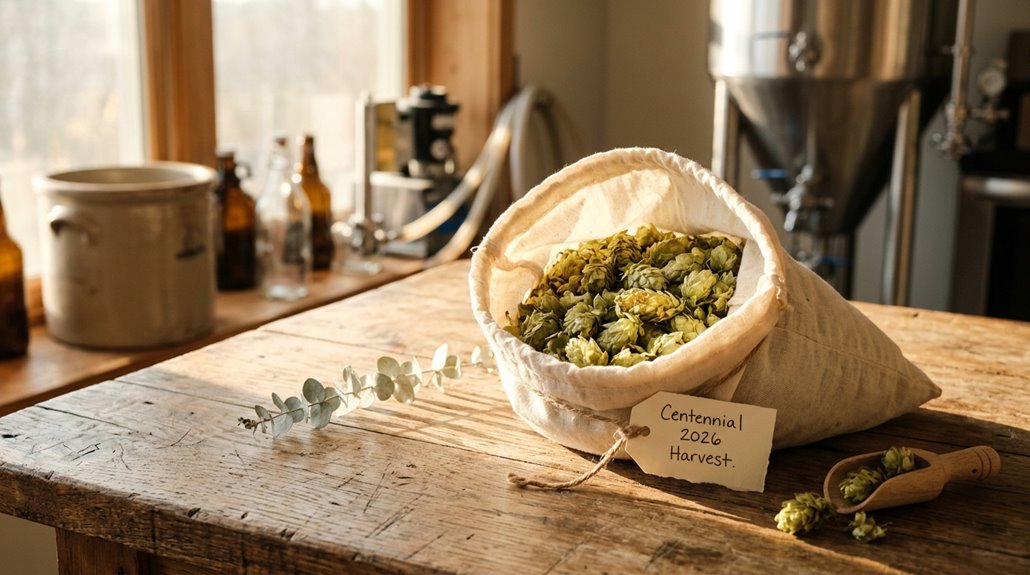
Choosing the right malt is the single biggest lever you have for flavor.
Two-Row provides a clean, versatile base.
Briess Sparkling Amber extract adds quick caramel depth without mashing.
Dry extracts offer convenience for lighter profiles.
But the real magic happens when you combine them intentionally, which is exactly what the 2026 list aims to simplify.
At a Glance
- Two-Row Malted Barley offers a versatile, rich base malt for ales and lagers.
- Briess Sparkling Amber Malt Extract adds deep color and caramel flavor.
- Briess Golden Light Dry Malt Extract provides a clean foundation for lighter beers.
- Craft a Brew Dark Dry Malt Extract ensures consistent depth for dark styles.
- Select malts based on flavor, gravity, and batch size for optimal results.
| Two Row Malted Barley for Brewing Distilling – 10 lbs Crushed | 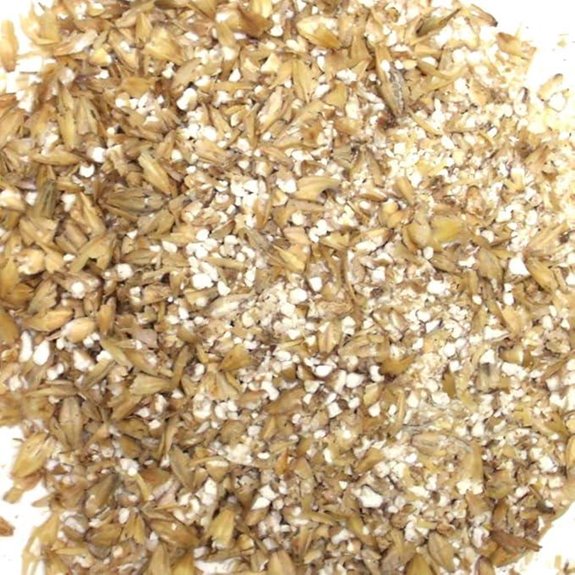 | Best for Brewers | Product Type: Crushed malted barley | Weight: 10 lb | Brand: Not specified | VIEW LATEST PRICE | Read Our Analysis |
| Briess CBW-1247 Sparkling Amber Malt Extract 3.3lb,Beige | 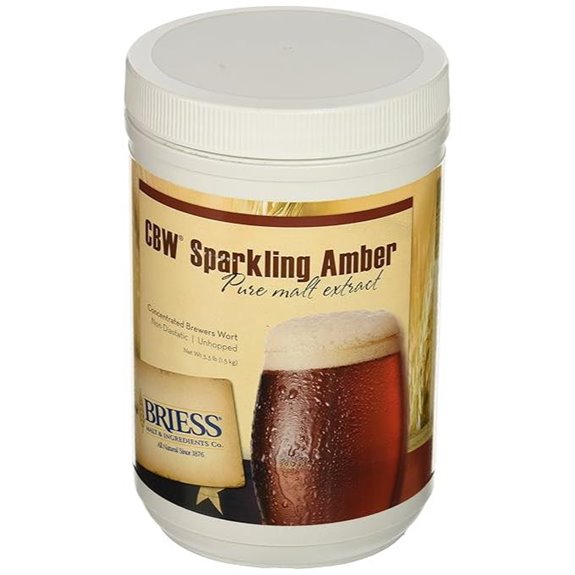 | Best for Flavor | Product Type: Liquid malt extract | Weight: 3.3 lb | Brand: Briess | VIEW LATEST PRICE | Read Our Analysis |
| Briess – 812322 – Dry Malt Extract – Golden Light – 1 lb. | 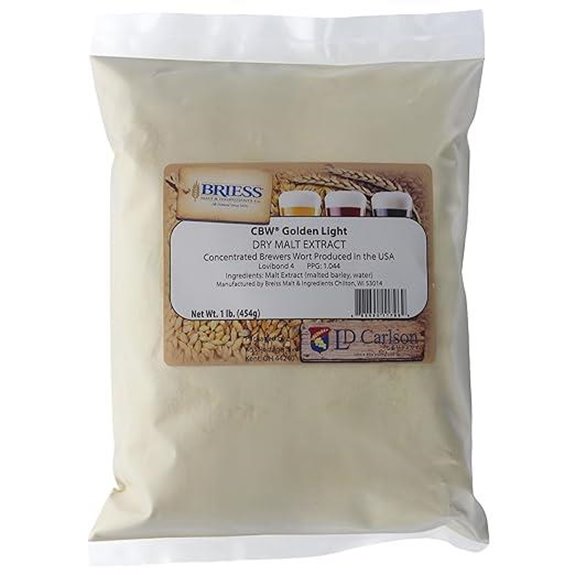 | Best for Clarity | Product Type: Dry malt extract | Weight: 1 lb | Brand: Briess | VIEW LATEST PRICE | Read Our Analysis |
| Craft a Brew Dark Dry Malt Extract | 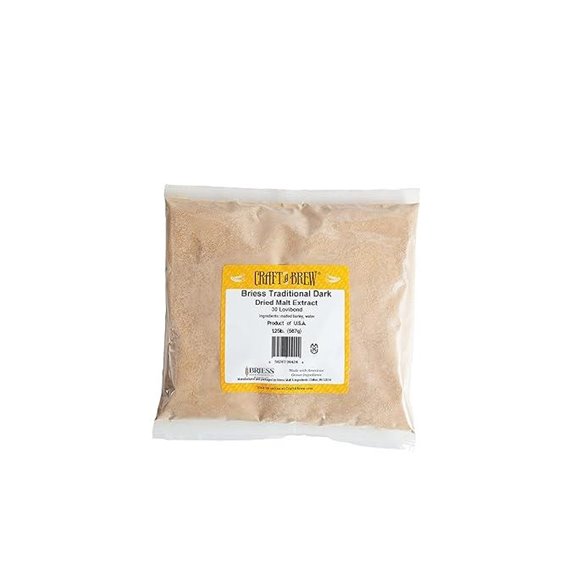 | Best for Versatility | Product Type: Dry malt extract | Weight: 1.25 lb | Brand: Craft a Brew | VIEW LATEST PRICE | Read Our Analysis |
| 2-Row Brewers Malt for Home Brewing Whole Grain 10lbs | 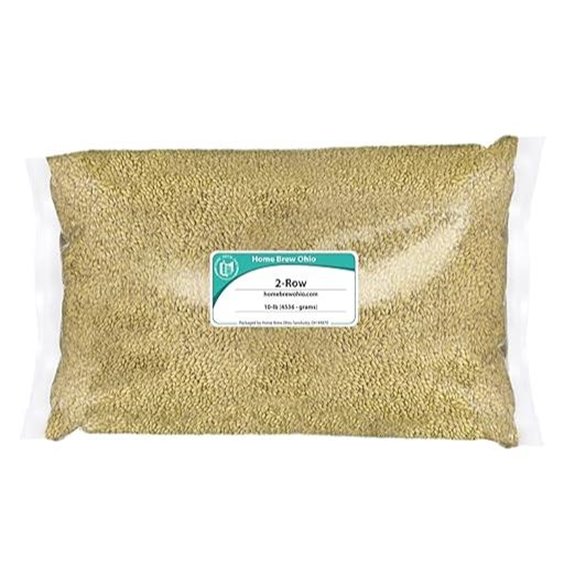 | Best Overall | Product Type: Whole grain malt | Weight: 10 lb | Brand: Briess | VIEW LATEST PRICE | Read Our Analysis |
More Details on Our Top Picks
Two Row Malted Barley for Brewing Distilling – 10 lbs Crushed
Premium two-row barley is the workhorse malt. This 10 lb bag comes pre-crushed, saving you the hassle—and the dust. You get maximum extraction right out of the resealable bag, which keeps it fresh for multiple batches.
It’s a foundational base malt for fermentation, perfect for ales, lagers, and even distilling. The flavor? Rich and complex, boosting everything from a crisp lager to a bold whiskey mash. Use it as your canvas:
- Versatility: Works for homebrewers and craft breweries alike.
- Convenience: Pre-crushed for easy mashing.
Craft something exceptional—start here.
- Product Type:Crushed malted barley
- Weight:10 lb
- Brand:Not specified
- Country of Origin:Not specified
- Form:Crushed grain
- Primary Use:Base malt for ales and lagers
- Additional Feature:Pre-crushed for convenience
- Additional Feature:Resealable freshness bag
- Additional Feature:Suitable for ales and lagers
Briess CBW-1247 Sparkling Amber Malt Extract 3.3lb,Beige
Brewers chasing a deeper color and richer malt backbone will find their match here. This 3.3-pound extract from Briess delivers a robust malt profile with prominent caramel notes, perfect for ambers, reds, or brown ales. Sourced from 100% malted barley, it’s a liquid shortcut to complexity.
- Use it to boost color without steeping grains
- Adds a smooth, toasty sweetness to any batch
- Works best for 5-gallon extract brews
Simply pour directly into the boil, or blend with lighter extracts for balance. This beige can’s reputation speaks for itself. Just don’t expect it to sparkle—it’s all about the flavor.
- Product Type:Liquid malt extract
- Weight:3.3 lb
- Brand:Briess
- Country of Origin:United States
- Form:Liquid extract
- Primary Use:Enhancing beer flavor and color
- Additional Feature:Deep amber color
- Additional Feature:Robust malt with caramel
- Additional Feature:100% malted barley
Briess – 812322 – Dry Malt Extract – Golden Light – 1 lb.
For homebrewers seeking a clean, crisp foundation in their lighter beers, this dry malt extract delivers. Made in the USA from Base Malt and Carapils Malt, Briess Golden Light offers a subtle malty flavor and a beige color that won’t overpower specialty grains.
It provides 43 gravity points per gallon, making it a reliable gravity booster for yeast propagation. Use it to craft pale ales, blondes, or even a session IPA—just 1 lb goes a long way.
- Product Type:Dry malt extract
- Weight:1 lb
- Brand:Briess
- Country of Origin:United States
- Form:Dry powder
- Primary Use:Light-colored beers and gravity boost
- Additional Feature:Enhances gravity and yeast
- Additional Feature:43 points per gallon yield
- Additional Feature:Made from Base and Carapils
Craft a Brew Dark Dry Malt Extract
Craft a Brew Dark Dry Malt Extract fits any brewing need.
This 1.25-pound all-purpose base extract, a concentrated brewer’s wort made from malted wheat, malted barley, and water, enables effective fermentation for a traditional dark style. Produced in the USA with U.S. grown ingredients, it is custom fresh-packed for Craft A Brew.
Use it across any beer style: just measure before use, then follow specific brewing directions for ideal results. It’s versatile, reliable, and delivers that deep, rich character without fuss—perfect for both beginners and seasoned brewers looking for consistent dark malt depth.
- Product Type:Dry malt extract
- Weight:1.25 lb
- Brand:Craft a Brew
- Country of Origin:USA
- Form:Dry powder
- Primary Use:Any beer style base extract
- Additional Feature:Made from malted wheat
- Additional Feature:Concentrated brewer’s wort
- Additional Feature:Custom fresh-packed
2-Row Brewers Malt for Home Brewing Whole Grain 10lbs
2-Row malt is the backbone of American homebrewing. This 10-pound bag of Briess whole grain, a brown hue promising rich potential, serves as the ideal base malt for all beer styles.
It delivers a smoother, less grainy flavor than 6-row, with a higher extraction rate and slightly lower protein content. Well-modified and enzyme-rich, it converts easily in a single step infusion mash. For improved clarity, a protein rest is recommended.
This is straightforward, reliable, and American-made—your solid foundation for revealing rich flavor. No fuss, just results.
- Product Type:Whole grain malt
- Weight:10 lb
- Brand:Briess
- Country of Origin:United States
- Form:Whole grain
- Primary Use:Base malt for all beer styles
- Additional Feature:Single step infusion mash
- Additional Feature:Higher extraction than 6-row
- Additional Feature:Protein rest recommended
Factors to Consider When Choosing Brewing Malts
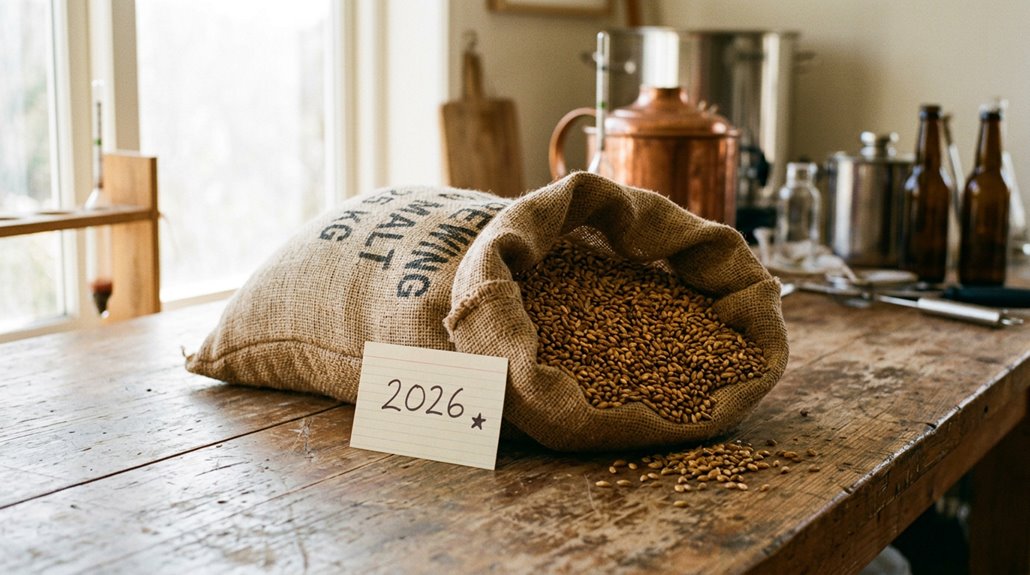
Choosing the right brewing malt starts with grain type selection, think barley, wheat, or rye, since each brings a different backbone to your beer. Flavor profile matching is your next move, pairing specific malts with the taste you want, from toasty to sweet, while base malt versatility guarantees a solid foundation for any recipe.
And don’t overlook color impact on gravity contribution levels, as darker malts deepen both hue and fermentable sugars, shaping the final pint.
Grain Type Selection
Since you’re building a beer from the ground up, grain type selection is where the real decisions begin. You’ll choose between base malts and specialty malts: base malts, like two-row brewers malt, supply the primary fermentable sugars and are non-negotiable for any style, while specialty malts add unique flavors, colors, and aromas. Color range matters too, from pale to dark, affecting both the final hue and taste, from light and crisp to rich and roasted.
Modification level is key: well-modified malts boast higher enzymatic activity, making starch-to-sugar conversion during mashing straightforward and boosting extraction rates. Protein content also plays a role; lower protein malts, such as two-row, yield a smoother, clearer beer, while higher protein options can introduce haziness. And grain type itself, barley versus wheat, shapes body and mouthfeel. Barley delivers a clean finish, whereas wheat adds a fuller, creamier texture.
Flavor Profile Matching
Once the grain type is dialed in, flavor profile matching becomes the real art of malt selection. Light malts, like two-row brewers malt, deliver a smooth, less grainy foundation, perfect for pilsners or ales. Dark malts, such as those in amber malt extracts, plunge you into deep, rich territory, adding caramel and roasted notes ideal for stouts or porters. The malt also dictates color, with darker varieties painting a deeper hue that boosts visual appeal.
But don’t overlook extraction rates and enzyme content; they steer fermentation while shaping flavor development. A brewer can layer these choices, balancing a pale base with a touch of roasted malt for complexity. It’s about crafting a harmonious taste experience, one batch at a time.
Base Malt Versatility
Base malt versatility is the cornerstone of any good brew, think of it as the canvas for your beer masterpiece. Two-row malted barley, for instance, shines across a wide range of styles, from crisp ales to smooth lagers. Its high extraction rate boosts efficiency, meaning more sugar from less grain, a win for homebrewers and craft breweries alike.
Quality base malts deliver a smooth, less grainy flavor, helping achieve a balanced taste. And they’re well-modified, packed with enzymes for effective fermentation and excellent clarity during mashing. The real magic? Blending them with specialty malts lets you craft unique flavor profiles without losing that solid foundation. So choose a base malt that’s adaptable; it’s the reliable friend that makes every other ingredient look good.
Stick with it, and your brewing creativity will thank you.
Color Impact on Beer
Why does the color of your beer matter so much? It’s more than just eye candy. Color, measured in degrees Lovibond, tells you a lot about what’s coming. Lighter malts give you pale, golden shades, while darker ones produce richer, deeper hues. And those dark malts? They bring flavors like chocolate, coffee, or caramel.
The Maillard reaction during roasting builds both color and flavor, impacting aroma and taste. Deeper malts can even enhance perceived body, making the beer feel fuller and more robust on the palate. To hit your target color, blend different malt types. This gives you precise control over the visual and sensory experience.
Start with a base malt, then layer in specialty malts until the shade matches your goal. Just remember, color influences flavor too.
Gravity Contribution Levels
Gravity contribution levels are the backbone of any beer recipe, determining both the alcohol content and body you’ll end up with. Higher gravity values mean a denser wort, which can yield more alcohol during fermentation.
Base malts, like two-row malted barley, typically have high extract potential, so they drive that gravity up efficiently. Specialty malts add flavor without as much gravity increase, so balance is key. For homebrewers, dry malt extract (DME) is a workhorse: it provides around 43 gravity points per gallon, a reliable way to boost strength. And remember, lighter malts contribute lower gravity, while darker malts bring more density and complexity. Mastering these levels lets you fine-tune alcohol, body, and flavor all at once!
Extract vs. Whole Grain
Now that you’ve got a handle on gravity contributions and how malts shape alcohol and body, the next big fork in the road is choosing between extract and whole grain malts. Extract malts are your shortcut to rich flavor without mashing, ideal for quick brews, they concentrate sugars and boost color instantly. Whole grain malts, however, demand mashing but reward you with a far more complex profile, thanks to the husk and extra nutrients that fuel healthy fermentation.
Consider this:
- Extract: Skip the mash, but your palette is more limited.
- Whole grain: More work, higher versatility, often yielding better extraction efficiency, especially with well-modified varieties.
Batch Size Compatibility
Although batch size might seem like a logistics detail, it fundamentally shifts which malts will serve you best. For larger batches, reach for high-extraction workhorses like two-row malt. It delivers better efficiency, meaning more fermentable sugars per pound, which is vital when scaling up.
But for small batch brewing, you can play with specialty malts in smaller quantities, adding complexity without overwhelming the flavor. Consider these factors:
- Extraction rates: Higher for large batches; lower, nuanced malts work for small ones.
- Specific gravity: Larger volumes demand malts that boost alcohol and body, while small batches benefit from intense character malts.
- Style matching: Verify malt choice complements your recipe at scale, from a crisp lager to a rich stout.
Balance these variables, and your batch, big or small, will shine.
Frequently Asked Questions
How Long Do Crushed Malts Stay Fresh After Opening?
Crushed malts lose freshness quickly after opening, typically within two to four weeks, sometimes less in warm or humid conditions. Once the protective outer husk is broken, the starchy interior is exposed to oxygen, which rapidly degrades flavor and enzymatic power.
For best results, store them in an airtight container, cool and dark, your refrigerator’s fine for short-term. But don’t push it past a month, after that, they’ll still ferment but taste flat, lacking that rich character a fresh crush delivers.
Can I Substitute Golden Light DME for Pale Ale Malt?
Is Golden Light DME a substitute for pale ale malt? Not directly. Pale ale malt provides fermentable sugars and essential enzymes for mashing, plus distinct toasty flavor. DME offers only fermentables, lacking the enzymatic power and depth.
To approximate, steep pale ale malt at 150°F for 30 minutes, then add DME for gravity, but expect a thinner, less complex beer. For authentic results, stick with the real grain.
Does Sparkling Amber Malt Extract Contain Caramel Coloring?
Does sparkling amber malt extract contain caramel coloring? No, it typically does not. This extract gets its amber hue from kilned base malts, not added coloring. Check the label for “caramel color” but most reputable brands avoid it.
Think of it as a shortcut to a rich, toasty profile without steeping specialty grains. For clarity, email the manufacturer or look for “100% malt extract” on the package. That’s the gold standard.
What Is the Shelf Life of Unopened Dry Malt Extract?
Dry malt extract, when left unopened and stored in a cool, dark place, retains its quality for two years past the printed date. That cozy pantry corner, far from heat and moisture, is its best friend. After opening, however, the clock ticks faster, use it within six months for peak flavor. And don’t fret if it clumps; a gentle break-up before brewing fixes that without issue.
Is 2-Row Malt Suitable for Gluten-Free Brewing?
No, 2-row malt is not suitable for gluten-free brewing. It is derived from barley, which contains gluten. For those avoiding gluten, alternative grains like sorghum, millet, or rice are necessary. Some brewers use pale malt extracts from less common grains, but true 2-row is off-limits.
Always confirm raw ingredients; gluten-free certification helps. Stick to dedicated gluten-free recipes to avoid unintended exposure, an essential rule for safety and flavor.